
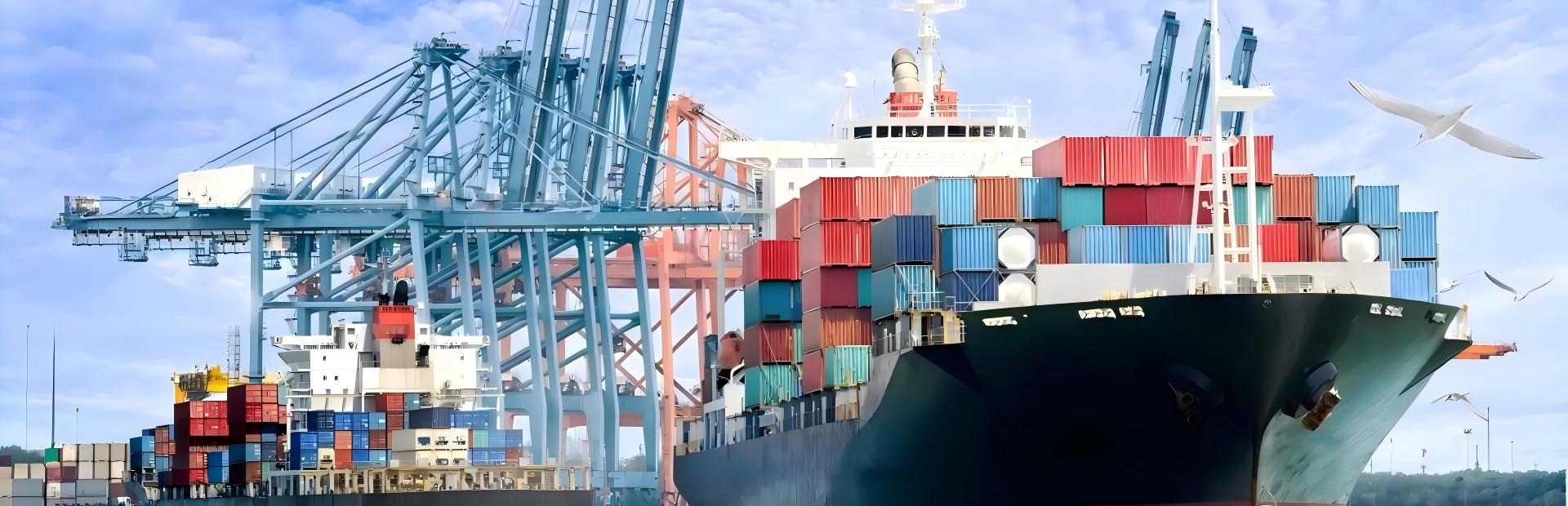
Australia ddp shipping allows importers to receive goods with transportation, customs clearance, duties, taxes, and final delivery managed through one complete logistics solution.
Australia DDP shipping means Delivered Duty Paid shipping, an international shipping method where the seller or appointed logistics provider takes responsibility for most transportation and import procedures until the goods reach the agreed delivery location in Australia.
Under DDP terms, the shipping process may include:
Supplier pickup in the origin country
Export customs clearance
International freight transportation
Australian import clearance
Import duties and taxes
Local delivery to the final destination
Compared with traditional shipping arrangements, DDP simplifies the importing process because the buyer does not need to coordinate multiple logistics providers for different stages.
For businesses importing from China to Australia, DDP shipping is often selected when predictable costs and simplified operations are important.
The DDP shipping process usually includes several coordinated stages.
The logistics provider collects goods from the supplier or factory.
Before shipment departure, the team confirms:
Product details
Cargo quantity
Package information
Commercial documents
Transportation requirements
Accurate information helps avoid problems during export and import procedures.
After export preparation, goods are transported internationally.
Common transportation methods include:
Suitable for:
Large commercial orders
Container shipments
Heavy products
Regular inventory supply
Suitable for:
Urgent shipments
Samples
High-value products
Time-sensitive orders
The transportation method depends on product characteristics, shipment volume, and delivery requirements.
One of the key advantages of DDP shipping is that customs coordination is handled as part of the service.
The process usually involves:
Customs declaration
Document submission
Duty calculation
Tax handling
Clearance approval
Correct product information, HS codes, and commercial documents are important because Australian customs requirements vary by product category.
After customs clearance, goods are delivered to the agreed destination.
Delivery locations may include:
Business warehouses
Retail locations
Distribution centers
Other commercial addresses
This creates a complete shipping process from supplier location to final destination.
The exact cost structure depends on the shipment and agreement, but DDP shipping usually includes more services than standard freight arrangements.
Possible costs include:
Export handling fees
International transportation costs
Import customs clearance
Import duties
Goods and Services Tax (GST) when applicable
Local delivery charges
Because these costs are considered before shipment, DDP can provide better cost visibility for importers.
However, businesses should confirm the quotation details because different logistics providers may define included services differently.
DDP and DAP are both commonly used international shipping terms, but their responsibilities are different.
| Shipping Term | Seller Responsibility | Buyer Responsibility |
|---|---|---|
| DDP | Transportation, customs clearance, duties, taxes, delivery | Receives goods |
| DAP | Transportation to destination, delivery arrangement | Import clearance, duties, taxes |
Under DDP, the seller or logistics provider manages more responsibilities.
Under DAP, the buyer needs to handle import procedures after arrival.
For businesses with limited import experience in Australia, DDP may provide a simpler solution.
Many importers choose DDP because it reduces operational complexity.
Key advantages include:
Importers can estimate the total cost before shipment instead of managing separate charges after arrival.
The buyer does not need to coordinate:
International carriers
Customs procedures
Tax payments
Local delivery providers
A single logistics partner manages multiple shipping stages.
Businesses entering the Australian market often prefer DDP because it reduces the need for detailed customs knowledge.
Yes. DDP shipping is often suitable for small and medium-sized businesses that do not have extensive international logistics experience.
It can benefit:
E-commerce sellers
Online retailers
New importers
Small distributors
Businesses testing Australian markets
For smaller shipments, DDP helps simplify procedures that would otherwise require multiple service providers.
However, businesses should still confirm product compliance requirements before shipping.
DDP shipping can support many commercial products, including:
Consumer goods
Electronics
Hardware products
Furniture
Industrial components
Retail products
Manufacturing supplies
Different products may have different import requirements.
For example:
Electrical products may require compliance documents.
Food products may involve additional regulations.
Industrial equipment may require technical information.
A professional logistics provider helps evaluate requirements before shipment.
Although the logistics provider manages many procedures, accurate documents are still essential.
Common documents include:
Includes:
Product description
Quantity
Value
Seller and buyer information
Provides:
Package details
Weight
Dimensions
Depending on shipping method:
Bill of lading for sea freight
Air waybill for air freight
Required for certain regulated products.
Complete documentation helps improve customs clearance efficiency.
Although DDP provides convenience, several factors require attention.
DDP pricing requires careful calculation of:
Freight costs
Customs charges
Duties
Taxes
Local delivery
Incorrect estimation may affect final shipping costs.
Some products entering Australia require specific approvals.
The buyer and seller should confirm exactly what services are included in the DDP quotation.
Understanding these factors helps businesses avoid unexpected problems.
The better option depends on the importer's experience and logistics requirements.
| Shipping Method | Best For |
|---|---|
| DDP Shipping | Businesses seeking simple, complete logistics management |
| Traditional Shipping | Experienced importers managing their own customs process |
DDP provides convenience, while traditional shipping may provide more control for companies with established logistics teams.
A reliable DDP shipping partner should have:
Knowledge of China-Australia transportation routes and cargo handling.
Ability to manage Australian import procedures.
Clear explanation of included services and possible charges.
Support for:
Sea freight
Air freight
Customs coordination
Door-to-door delivery
Regular updates and quick response during shipment progress.
Choosing a professional provider helps create a more stable importing process.
DDP shipping simplifies international trade by combining multiple logistics activities into one coordinated solution.
For importers, it helps manage:
Transportation planning
Customs procedures
Cost control
Delivery coordination
For manufacturers exporting to Australia, offering DDP shipping options can improve purchasing convenience and support long-term business relationships.