
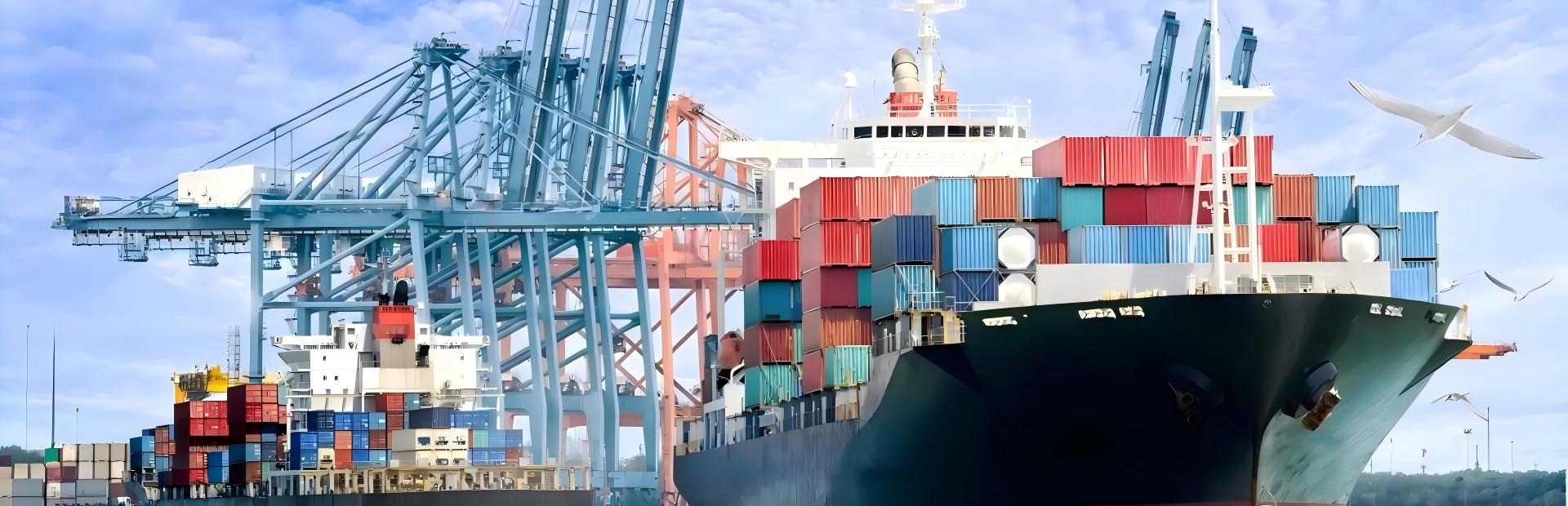
Goods imported from China to Australia must meet customs requirements related to documentation, product classification, duties, taxes, and compliance regulations before clearance.
Australia customs rules require importers to provide accurate shipment information, complete documentation, and comply with relevant import regulations before goods can enter the country.
When importing products from China, Australian customs authorities mainly review:
Product classification
Declared shipment value
Country of origin
Import documents
Applicable duties and taxes
Product-specific regulations
For manufacturers, distributors, and retailers, understanding customs requirements before shipping helps reduce clearance delays and unexpected costs.
A successful import process depends not only on transportation but also on proper preparation before cargo leaves China.
Accurate documentation is one of the most important parts of Australian customs clearance.
Common import documents include:
The commercial invoice provides transaction details, including:
Seller and buyer information
Product description
Quantity
Unit price
Total value
Currency
Country of origin
Australian customs uses this information to assess shipment value and determine applicable charges.
The packing list explains the physical details of the shipment, including:
Number of packages
Weight
Dimensions
Packaging information
Transportation documents prove shipment movement and provide information about:
Carrier
Shipment route
Consignee
Cargo details
Some products may require extra documents depending on category, including:
Compliance certificates
Safety documents
Health certificates
Product permits
Complete documentation helps create a smoother customs process.
Product classification is a critical step in Australian imports.
Imported goods are classified using HS codes, which determine:
Applicable duty rates
Tax requirements
Import restrictions
Compliance obligations
The HS code depends on factors such as:
Product materials
Product function
Manufacturing process
Intended use
Incorrect classification may result in:
Wrong duty calculation
Customs review
Clearance delays
Additional costs
Manufacturers should provide detailed product information before shipment so logistics teams can help confirm proper classification.
Goods imported into Australia may be subject to several charges depending on product type and value.
Common costs include:
Some imported products may require payment of customs duty based on their classification.
Imported goods may be subject to GST according to Australian tax regulations.
Additional costs may include:
Customs processing fees
Inspection charges
Quarantine-related fees
Port handling charges
The final import cost depends on product category, shipment value, and applicable regulations.
Proper cost calculation before shipping helps businesses understand the total landed cost.
Certain product categories require additional attention because they may involve safety, health, or environmental regulations.
Examples include:
May require:
Import approvals
Health documentation
Biosecurity compliance
May require:
Safety certifications
Electrical compliance information
May require:
Technical specifications
Safety documentation
May require:
Treatment certificates
Biosecurity checks
Before shipping from china, businesses should confirm whether their products have additional Australian import requirements.
Australia has strict biosecurity controls designed to protect agriculture, ecosystems, and public health.
Certain goods may receive additional inspection, especially products containing:
Wood materials
Plant materials
Animal-related materials
Food ingredients
Biosecurity checks may involve:
Document review
Physical inspection
Treatment requirements
Failure to meet biosecurity requirements can result in:
Shipment delays
Additional treatment costs
Cargo rejection
Understanding these requirements before shipment helps avoid unnecessary problems.
Customs brokers play an important role in helping importers complete customs procedures.
Their services may include:
Preparing customs declarations
Reviewing import information
Calculating duties and taxes
Communicating with customs authorities
Supporting clearance procedures
Many freight forwarders cooperate with customs professionals to provide integrated shipping solutions.
For businesses unfamiliar with Australian import procedures, professional customs support can reduce operational risks.
Many customs issues happen because of preparation problems rather than transportation problems.
Common issues include:
Unclear product descriptions may create classification problems.
Incomplete paperwork can delay customs processing.
Inaccurate shipment value information may result in additional review.
Some products require specific approvals before import.
Certain goods may require additional inspection or treatment.
Preparing documents and compliance information before shipping reduces these risks.
Businesses can improve customs efficiency through proper preparation.
Recommended practices include:
Confirm HS codes before shipment.
Prepare accurate commercial invoices.
Provide detailed product descriptions.
Check product-specific requirements.
Prepare required certificates early.
Work with experienced logistics partners.
Early planning allows potential issues to be identified before cargo arrives in Australia.
The general customs clearance process includes:
Goods arrive at an Australian port or airport.
Required import information is submitted for customs processing.
Authorities review:
Product classification
Shipment value
Import requirements
Applicable charges are calculated and completed.
After approval, goods can proceed to final delivery.
A professional freight forwarder helps coordinate communication between exporters, importers, carriers, and customs teams.
The basic customs requirements apply to both sea freight and air freight.
However, operational differences exist.
Common for:
Large shipments
Containers
Regular commercial cargo
It usually provides more time for document preparation before arrival.
Common for:
Urgent shipments
High-value products
Because transportation is faster, accurate documentation is especially important.
Regardless of shipping method, correct customs preparation remains essential.
Experienced freight forwarders help businesses manage customs-related processes through:
Document review
Shipping planning
Customs coordination
Import requirement guidance
Delivery arrangement
A professional logistics partner connects China export operations with Australian import procedures.
This helps manufacturers and importers reduce risks while maintaining a stable international supply chain.
Australian customs compliance directly affects shipping cost, delivery time, and business operations.
Understanding customs requirements helps importers:
Avoid clearance delays
Control import costs
Prepare correct documents
Improve supply chain reliability
For businesses importing from China, customs preparation should be considered part of logistics planning rather than an issue handled only after goods arrive.