
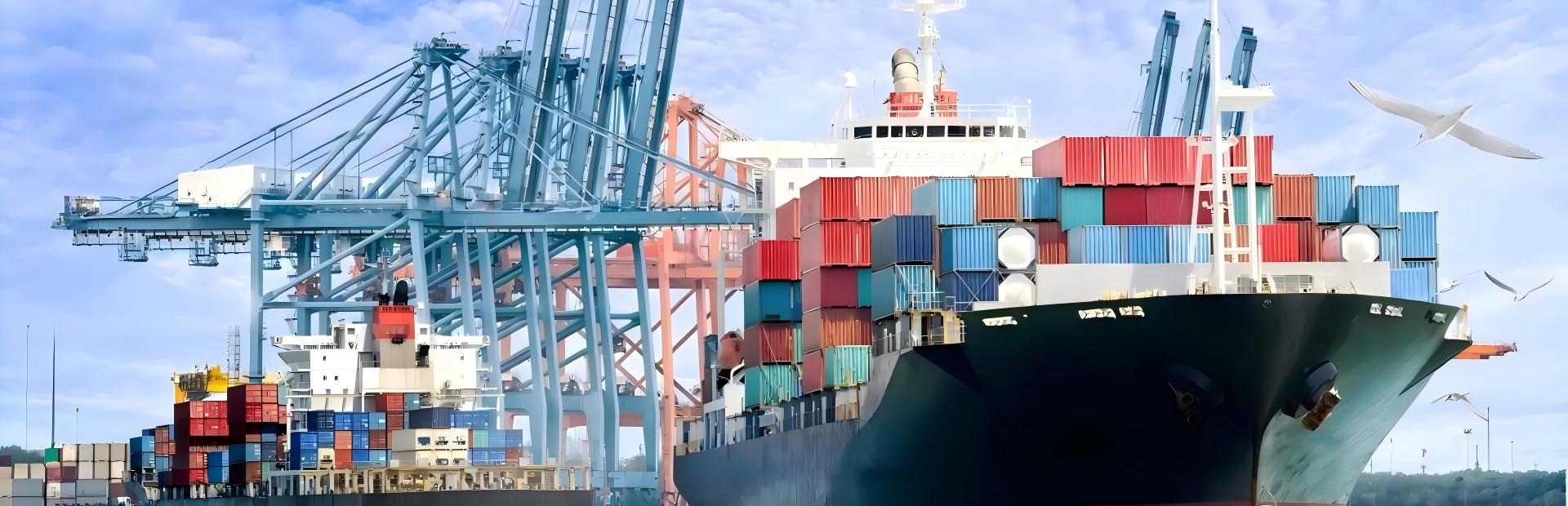
A reliable China to Australia freight forwarder should provide strong export experience, transparent pricing, customs support, suitable shipping options, and stable delivery coordination.
Choosing a freight forwarder is an important decision for businesses importing products from China to Australia.
A professional logistics partner does more than arrange transportation. It helps coordinate multiple stages of international shipping, including:
Factory pickup in China
Export documentation
Sea or air freight arrangements
customs clearance coordination
Australian delivery services
The wrong logistics choice may lead to:
Unexpected costs
Customs delays
Poor shipment visibility
Delivery problems
Supply chain disruptions
For manufacturers, wholesalers, and importers, a reliable freight forwarder helps create a more predictable and efficient China-Australia supply chain.
International shipping experience is one of the most important factors when selecting a logistics partner.
A qualified freight forwarder should understand:
China export procedures
Australian import requirements
ocean freight routes
Air freight operations
Different cargo requirements
Customs documentation
Experience with the China-Australia trade route is especially valuable because shipping involves coordination between two different countries' logistics systems.
A freight provider familiar with this route can better manage:
Chinese supplier communication
Port operations
Transit planning
Destination delivery arrangements
A reliable China to Australia freight forwarder should provide multiple transportation options.
Sea freight is usually suitable for:
Large-volume shipments
Container cargo
Machinery
Furniture
Industrial products
Regular inventory supply
Common solutions include:
Full Container Load (FCL)
Less Container Load (LCL)
Sea freight provides better cost efficiency for businesses that can plan shipments in advance.
Air freight is suitable for:
Urgent orders
Samples
High-value products
Time-sensitive shipments
Although air freight costs more, it provides faster delivery and helps businesses respond quickly to market demands.
A freight forwarder offering both options can recommend the best solution based on cost, timing, and cargo requirements.
China export experience directly affects shipment efficiency.
A freight forwarder with strong China-side resources can help with:
Many manufacturers are located in different regions of China. Local logistics capability helps arrange cargo collection efficiently.
Freight teams familiar with Chinese factories can coordinate:
Pickup schedules
Packaging requirements
Shipment preparation
Accurate export documents reduce risks during transportation and customs procedures.
For businesses sourcing from China, origin-side support is an important advantage.
Yes, customs knowledge is a key factor when selecting a China to Australia freight partner.
Australia has specific import requirements related to:
Product classification
Customs declarations
Biosecurity requirements
Product compliance
A professional freight forwarder should help coordinate:
Commercial invoices
Packing lists
Shipping documents
Customs information
Incorrect documentation may cause:
Clearance delays
Additional inspection
Extra storage charges
Proper preparation before shipment helps create smoother customs processing.
Price comparison is important, but the lowest quotation is not always the best choice.
Importers should evaluate whether the quotation clearly includes:
International freight costs
Origin charges
Destination charges
Customs-related fees
Local delivery costs
Additional service charges
Transparent pricing helps businesses understand the real landed cost.
A professional freight forwarder should explain the complete cost structure instead of providing only a basic freight rate.
Door-to-door capability can significantly simplify international logistics.
A complete door-to-door shipping service may include:
Supplier pickup in China
Export handling
International transportation
Customs coordination
Final delivery in Australia
This service is especially useful for:
New importers
E-commerce businesses
Companies without local logistics teams
Door-to-door solutions reduce the need to coordinate multiple service providers and improve shipment management efficiency.
Clear communication is essential for international shipments.
Importers should check whether the freight forwarder provides:
Shipment progress updates
Document confirmation
Estimated arrival information
Responsive customer support
Problem-solving assistance
Good communication helps businesses plan:
Warehouse operations
Production schedules
Customer delivery
A reliable logistics partner should keep customers informed throughout the shipping process.
Before cooperation, businesses should evaluate:
Check:
Years of operation
Service experience
International shipping capability
Look for evidence of:
Successful China-Australia shipments
Similar product experience
Long-term customer relationships
Confirm whether the company can handle:
Different shipment sizes
Various cargo types
Multiple transportation methods
A freight forwarder's actual service capability is more important than marketing claims.
Before choosing a logistics partner, importers can ask:
Do you provide sea freight and air freight?
Can you arrange FCL and LCL shipments?
Do you assist with Australian customs procedures?
How do you handle import documentation?
Are all charges included in the quotation?
Are there possible additional fees?
Do you provide door-to-door services?
Can you arrange local delivery in Australia?
How are shipment updates provided?
Who will manage the shipment?
These questions help businesses compare providers based on service quality rather than price alone.
Many businesses focus only on shipping price and overlook other important factors.
Common mistakes include:
A low price may exclude important services or create unexpected charges.
Poor customs preparation can delay shipments.
A freight provider without China-Australia experience may face avoidable problems.
Businesses should understand exactly what is included before shipment begins.
Selecting the right logistics partner requires evaluating overall reliability, not only transportation cost.
A practical evaluation checklist includes:
| Evaluation Area | Key Questions |
|---|---|
| Experience | Does the company understand China-Australia shipping? |
| Transportation | Does it provide sea and air freight options? |
| Customs | Can it support import procedures? |
| Pricing | Are costs transparent? |
| Communication | Are updates reliable? |
| Delivery | Can it provide door-to-door solutions? |
Comparing these factors helps businesses choose a freight partner that supports long-term supply chain development.
China-Australia shipping requires coordination between suppliers, carriers, customs teams, and local delivery networks.
A professional freight forwarder helps businesses manage:
Transportation planning
Export procedures
Customs coordination
Delivery arrangements
Supply chain optimization
For importers and manufacturers, choosing the right logistics partner improves shipping reliability and supports sustainable international business growth.