
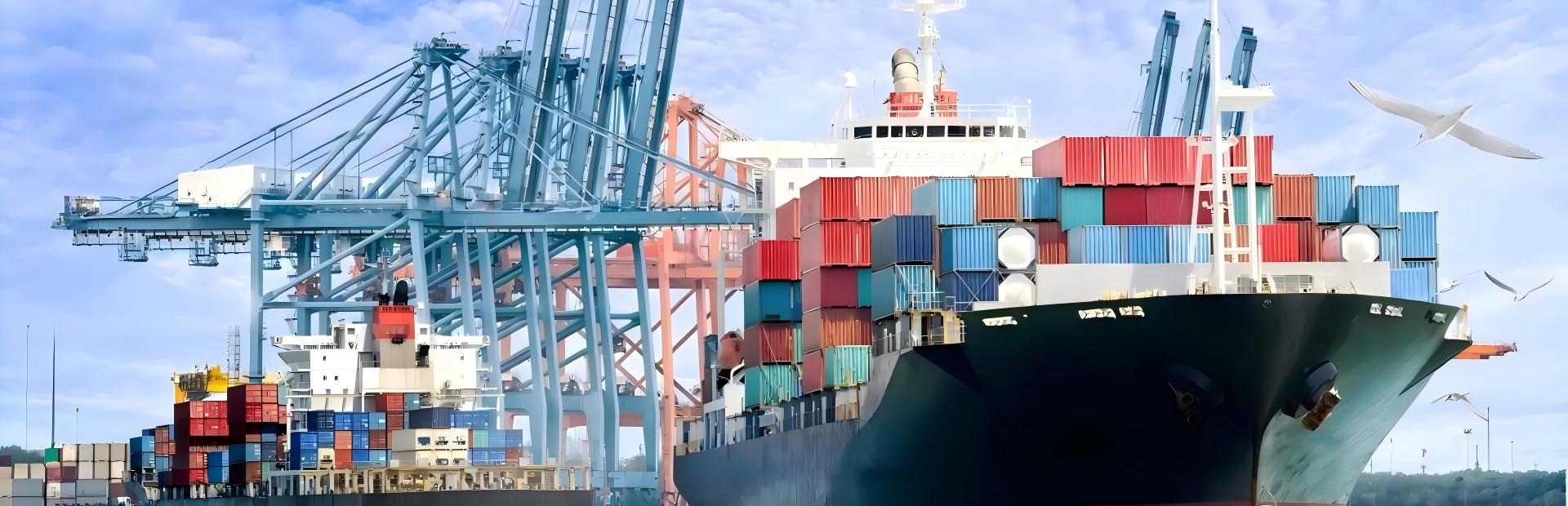
Complex international supply chains usually become difficult for one reason: too many disconnected steps. In 2026, that problem matters more because the World Trade Organization expects merchandise trade volume growth to slow from 4.6% in 2025 to 1.9% in 2026. At the same time, UN Trade and Development says around 80% of international trade in goods by volume is carried by sea, so even small logistics failures can spread across the whole supply chain. For exporters, simplification is no longer about doing less. It is about connecting production, shipping, customs, warehousing, and delivery into one controlled process.
The first step is to align logistics with the manufacturing process overview. This is where the manufacturer vs trader difference becomes clear. A trader may focus on quotations and order flow, but a manufacturer must connect the OEM / ODM process with packaging readiness, carton data, pallet planning, loading sequence, and shipping deadlines. When freight planning starts only after production ends, delays become much more likely. A simpler supply chain starts earlier, with production and logistics working from the same timeline. This is an operational inference based on how fragmented handoffs increase risk and how end-to-end logistics providers structure service. WANHAO’s own service positioning reflects that approach, highlighting DDP transportation, customs clearance, tax processing, and final delivery under one workflow.
The second step is to build one practical project sourcing checklist for every shipment. That checklist should cover invoice wording, packing list accuracy, HS code consistency, carton marks, material standards used, and export market compliance. Quality control checkpoints should also include packaging and shipment verification, not only product inspection. In complex international shipping, many problems do not begin at the port. They begin when factory data, shipping documents, and customs declarations do not match. WANHAO emphasizes its own customs bond for U.S. clearance and compliance-focused DDP control for both FCL and LCL shipments, which helps reduce these gaps.
The third step is to reduce the number of parties handling the cargo. A supply chain becomes harder to manage when ocean freight, customs clearance, warehousing, and final delivery are split across separate providers with no shared accountability. WANHAO’s official information says it offers sea freight, air freight, warehousing, customs handling, and DDP door-to-door transportation, including duties, taxes, and last-mile delivery. That kind of integrated logistics solution helps simplify cross-border logistics because one team can manage more of the shipment journey from origin to destination.
The fourth step is to match the shipping model to the cargo profile. Bulk supply considerations should decide whether FCL, LCL, air freight, or warehousing is the better tool. Repeat high-volume orders may need full-container efficiency. Smaller mixed shipments may work better under LCL with consolidation. Time-sensitive orders may justify air freight. WANHAO’s routes page and FAQ state that it supports FCL and LCL door-to-door solutions under DDP terms and recommends the most cost-effective mode based on shipment volume, cargo type, and delivery requirements.
| Simplification priority | Practical result |
|---|---|
| Align logistics with production | Fewer timing and booking errors |
| Use one project sourcing checklist | Better document and customs control |
| Reduce provider handoffs | Clearer responsibility |
| Match shipping mode to cargo | Better cost and delivery balance |
| Add warehousing when needed | More flexible replenishment |
In practice, simplifying a complex international supply chain means creating fewer gaps between factory readiness and final delivery. WANHAO’s model fits that need by combining freight forwarding, customs clearance, warehousing, and DDP delivery into one connected process. For manufacturers handling OEM projects, repeat exports, or bulk shipments, that structure supports better freight visibility, stronger export market compliance, and a more stable global logistics solution in a tougher 2026 trade environment.