
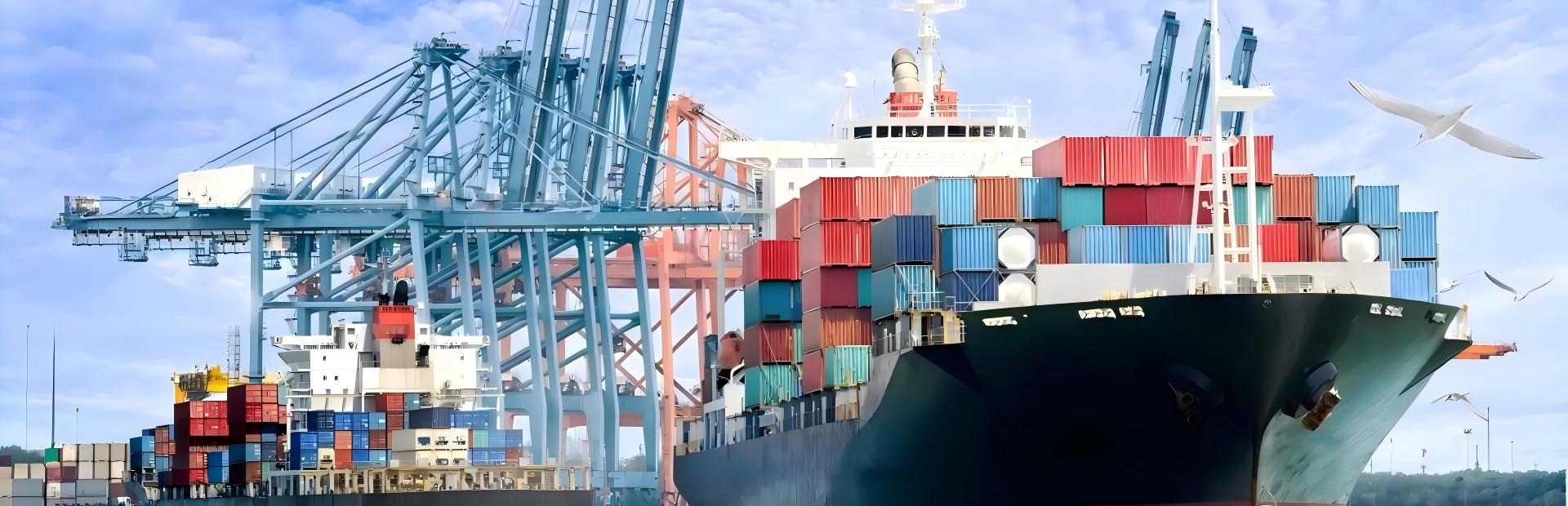
Long-term logistics partnerships create competitive advantages because international shipping in 2026 is no longer a simple transport task. It now depends on customs accuracy, route stability, warehouse coordination, and faster response to disruption. The WTO said merchandise trade volume grew 4.6% in 2025 but is expected to slow to 1.9% in 2026, which means exporters have less room for costly errors and unstable delivery performance. At the same time, MHI’s 2025 industry report found that 55% of supply chain leaders are increasing investment in supply chain technology and innovation, showing that companies are treating logistics capability as a strategic asset rather than a back-end service.
For manufacturers, the biggest advantage of a long-term logistics partner is operational alignment. This is where manufacturer vs trader differences become clear. A trader may focus on order flow and quotations, but a manufacturer needs logistics that match the OEM / ODM process, production release timing, packaging plans, and shipment milestones. When the same logistics partner understands the manufacturing process overview over time, it becomes easier to coordinate carton dimensions, loading sequences, warehouse consolidation, and bulk supply considerations without restarting the process for every shipment. That continuity reduces mistakes and improves execution quality. This is an inference based on how recurring logistics coordination lowers handoff friction and how integrated providers structure their service.
Another major advantage is stronger compliance control. As shipment volume grows, customs clearance and document consistency become more important, not less. A long-term partner can build a repeatable project sourcing checklist around invoice wording, packing lists, HS code logic, carton marks, material standards used, and export market compliance. That helps quality control checkpoints extend beyond the product itself and into shipping readiness. WANHAO’s official service pages state that it manages international transportation, U.S. customs clearance under DDP, and final delivery, while its FAQ emphasizes one contract, one responsible party, and one final landed cost. That kind of continuity is especially valuable when the goal is fewer customs surprises and more stable landed-cost planning.
Long-term partnerships also improve flexibility. WANHAO states that it offers sea freight, air freight, warehousing, FCL, LCL, and end-to-end DDP door-to-door service, including cargo pickup, export customs clearance, international transportation, U.S. customs clearance, duty and tax handling, and final delivery. For repeat exporters, that means the shipping method can change with the order profile without changing the logistics system itself. Large bulk orders may move under FCL, smaller mixed orders under LCL, and urgent replenishment by air, while the same operating logic stays in place.
| Long-term logistics benefit | Competitive value |
|---|---|
| Better understanding of factory workflow | Fewer production-to-shipping errors |
| Repeated customs and document coordination | Lower compliance risk |
| Flexible use of FCL, LCL, air, and warehousing | Better response to changing demand |
| One stable execution model | More predictable delivery and landed cost |
Over time, a long-term logistics partnership becomes more than a service relationship. It becomes part of the exporter’s operating system. WANHAO’s positioning around own-bond U.S. customs clearance, DDP door-to-door expertise, stable vessel and transit time, warehousing, and Amazon FBA delivery experience shows how that kind of partnership can support repeat shipments with better control and fewer disruptions. In a slower and more competitive trade environment, that consistency itself becomes a real advantage.