
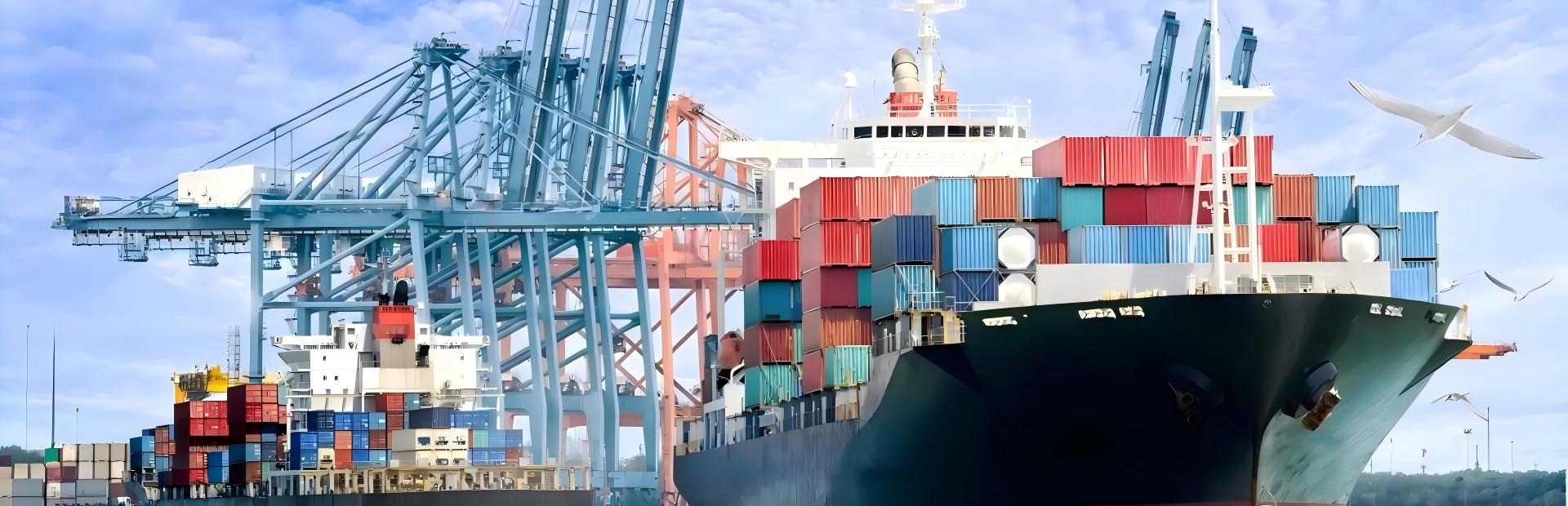
Australian import clearance requires accurate documentation, correct product classification, duty and tax preparation, and compliance with customs and biosecurity requirements.
Australian import clearance is the process of obtaining approval from Australian authorities before imported goods can enter the country.
When goods arrive from overseas, importers must provide accurate shipment information and complete required procedures before cargo can be released.
The clearance process usually involves:
Customs declaration
Document review
Product classification
Duty and tax assessment
Compliance checks
Cargo release
For businesses importing products from China and other manufacturing regions, customs clearance is a critical part of international logistics planning.
A shipment can arrive on time but still experience delays if documentation or compliance requirements are not prepared correctly.
Australian import clearance directly affects delivery time, logistics costs, and supply chain stability.
Proper customs preparation helps businesses:
Avoid shipment delays
Reduce unexpected charges
Improve delivery reliability
Maintain compliance with Australian regulations
Common reasons for clearance problems include:
Incorrect product descriptions
Wrong HS codes
Missing documents
Unclear import responsibilities
Failure to meet product regulations
For manufacturers and importers, customs preparation should begin before goods leave the supplier’s facility, not after cargo arrives in Australia.
Accurate documentation is one of the most important factors in successful customs clearance.
Common documents include:
The commercial invoice provides transaction details, including:
Seller information
Buyer information
Product description
Quantity
Unit price
Total value
Country of origin
Australian customs uses this information to evaluate shipment value and determine applicable charges.
Clear product descriptions are important because general descriptions may create classification problems.
The packing list provides physical shipment details, including:
Number of packages
Package type
Gross weight
Net weight
Dimensions
Customs teams, carriers, and warehouse operators use packing information to verify cargo details.
Accurate packing information is especially important for:
Container shipments
Large commercial cargo
Goods requiring special handling
Transportation documents confirm shipment movement.
For sea freight:
Bill of lading
For air freight:
Air waybill
These documents provide information about:
Carrier
Shipment route
Consignee
Cargo details
The correct transportation document helps ensure smooth cargo release after arrival.
Product classification is a key part of Australian import clearance.
Imported goods are classified using HS codes, which determine:
Customs duty rates
Import restrictions
Tax requirements
Compliance obligations
The correct HS code depends on:
Product materials
Product function
Manufacturing process
Intended application
Incorrect classification may cause:
Wrong duty calculation
Customs review
Clearance delays
Additional costs
Providing detailed product information before shipment helps logistics teams support accurate classification.
Imported goods entering Australia may involve several charges.
Common costs include:
Certain products may require duty payment based on their HS classification.
Imported goods may be subject to GST according to Australian import regulations.
Additional costs may include:
Customs processing fees
Inspection fees
Port handling charges
Storage costs
The total import cost depends on product type, shipment value, and applicable regulations.
Importers should calculate total landed cost before shipping to avoid unexpected expenses.
The typical clearance process includes:
Goods arrive at an Australian port or airport.
Required information is provided for customs processing.
Authorities review:
Product classification
Shipment value
Import requirements
Applicable charges are calculated and completed.
After approval, goods can proceed to final delivery.
A professional freight forwarder helps coordinate communication between exporters, importers, carriers, and customs specialists.
Australia has strict biosecurity requirements to protect agriculture, ecosystems, and public health.
Some products may require additional inspection, including:
Food products
Wooden packaging
Plant-related materials
Animal-related products
Biosecurity procedures may involve:
Document checks
Physical inspections
Treatment requirements
Failure to meet biosecurity requirements may result in:
Clearance delays
Additional treatment costs
Cargo restrictions
Businesses should confirm biosecurity requirements before shipping regulated products.
Some product categories require additional compliance checks.
Examples include:
May require:
Import permissions
Health documents
Safety information
May require:
Safety certifications
Compliance documentation
May require:
Regulatory approval
Technical documentation
May require:
Safety data sheets
Additional regulatory information
Requirements vary depending on product category.
Manufacturers should confirm compliance needs before arranging international transportation.
Clearance time depends on:
Product category
Documentation accuracy
Shipping method
Inspection requirements
Customs workload
Simple shipments with complete documents may clear faster.
Delays are more likely when:
Documents are incomplete
Product information is unclear
Additional inspections are required
Proper preparation before shipment helps improve clearance efficiency.
Many clearance issues come from preparation mistakes.
Common problems include:
Unclear descriptions may lead to classification questions.
Incorrect classification may affect duty calculation.
Incomplete paperwork may delay cargo release.
Some goods require specific approvals before entering Australia.
Inaccurate declared value may trigger additional review.
Careful preparation reduces customs risks.
Businesses can improve clearance efficiency by following these practices:
Confirm HS codes before shipment.
Prepare complete commercial documents.
Provide accurate product descriptions.
Check product compliance requirements.
Understand duty and tax responsibilities.
Work with experienced logistics partners.
Early preparation creates better control over shipping schedules and import costs.
Freight forwarders support importers by coordinating different parts of the clearance process.
Their services may include:
Document review
Shipment planning
Customs coordination
Transportation management
Delivery arrangements
A professional freight forwarder connects suppliers, carriers, customs teams, and importers to create a smoother logistics process.
For businesses importing from China, this support helps reduce communication problems and improve supply chain reliability.
Both sea freight and air freight require customs clearance, but the operational process differs.
Usually involves:
Container documentation
Port procedures
Larger commercial shipments
Sea freight provides more transit time for document preparation.
Usually involves:
Faster document processing
Smaller or urgent shipments
Because air cargo arrives quickly, document accuracy becomes even more important.
The customs requirements depend more on the product and shipment details than the transportation method.
A practical preparation checklist includes:
Confirm product requirements
Prepare accurate documents
Verify HS codes
Calculate duties and taxes
Understand customs responsibilities
Choose suitable shipping terms
Work with experienced logistics providers
Customs clearance should be considered part of the overall supply chain strategy.
Australian import procedures involve customs rules, documentation requirements, taxes, and product compliance.
Professional logistics support helps businesses manage:
International transportation
Customs coordination
Documentation preparation
Delivery arrangements
For importers sourcing products internationally, reliable clearance management improves delivery confidence and reduces unnecessary logistics risks.