
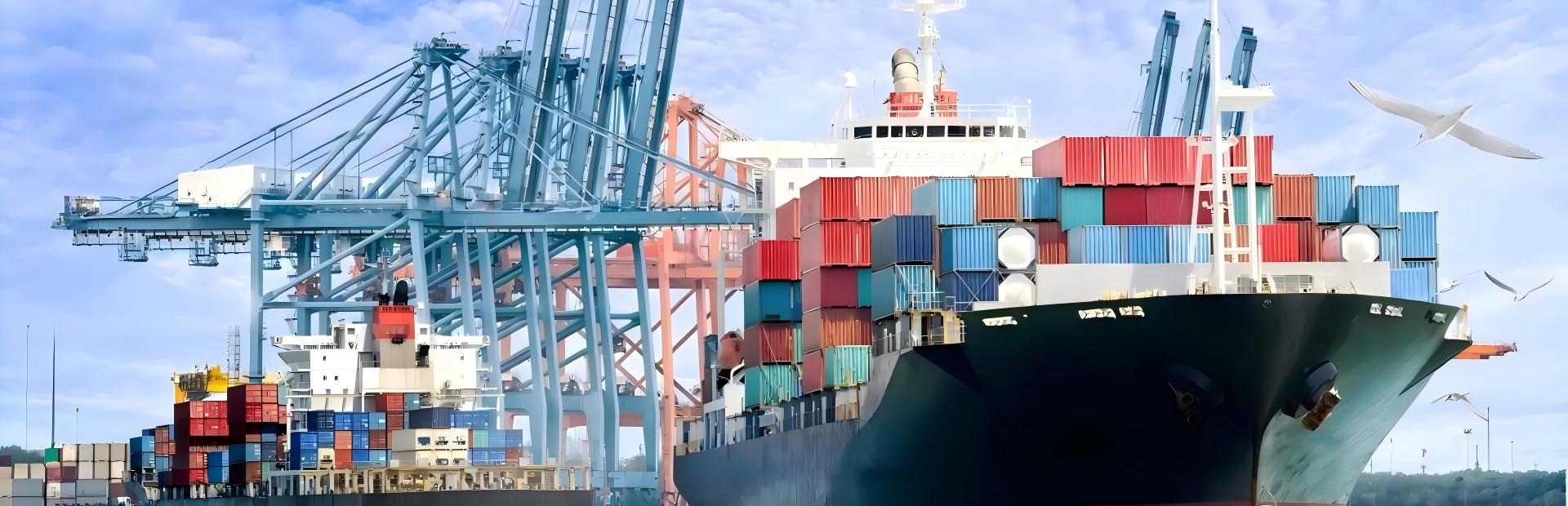
Australia Amazon FBA shipping from china involves transporting products from Chinese suppliers to Amazon fulfillment centers in Australia through freight services, customs clearance, and FBA delivery procedures.
Australia Amazon FBA shipping from China is a logistics solution designed for sellers who manufacture or source products in China and need to deliver inventory directly to Amazon Australia fulfillment centers.
Instead of managing storage and order delivery independently, sellers send products to Amazon warehouses, where Amazon handles:
Inventory storage
Order processing
Customer delivery
Returns management
The shipping process from China usually includes:
Supplier pickup
Product preparation
International transportation
Australian customs clearance
Delivery to Amazon FBA warehouse
For Amazon sellers, choosing the right shipping method is important because transportation delays, customs problems, or incorrect preparation can affect inventory availability and sales performance.
The complete FBA shipping process usually includes several stages.
Before shipment, suppliers need to prepare products according to Amazon FBA requirements.
Preparation may include:
Product inspection
Packaging adjustment
Labeling
Carton preparation
Shipment documentation
Amazon requires specific inventory preparation standards, so sellers should confirm requirements before shipping.
Incorrect labeling or packaging may result in warehouse receiving delays.
A freight forwarder arranges cargo collection from:
Manufacturer factories
Supplier warehouses
Consolidation centers
During pickup, logistics teams confirm:
Product quantity
Package dimensions
Weight
Shipping information
For sellers working with multiple Chinese suppliers, warehouse consolidation can combine products into one shipment before sending them to Australia.
Different shipping methods provide different advantages.
Sea freight is commonly used for larger inventory shipments.
Suitable for:
Bulk inventory
Regular replenishment
Heavy products
Cost-sensitive sellers
Advantages:
Lower transportation cost
Larger cargo capacity
Better for long-term inventory planning
Air freight is suitable for faster inventory movement.
Suitable for:
New product launches
Small inventory batches
Urgent restocking
Advantages:
Faster delivery
Shorter supply cycle
Quick market response
Many sellers use sea freight for standard inventory and air freight for urgent replenishment.
The delivery time depends on shipping method, customs processing, and Amazon warehouse procedures.
Typical timelines include:
| Shipping Method | Estimated Time |
|---|---|
| Sea Freight FBA Shipping | Around 30–50 days |
| Air Freight FBA Shipping | Around 5–12 days |
| Express Shipping | Around 3–7 days |
Actual delivery time may vary because of:
Peak seasons
Port congestion
Customs inspection
Amazon warehouse receiving schedules
Proper inventory planning helps sellers avoid stock shortages.
Accurate documentation is essential for smooth customs clearance.
Common documents include:
Contains:
Seller information
Buyer information
Product description
Quantity
Declared value
Country of origin
Provides:
Carton details
Package quantity
Weight
Dimensions
Depending on shipping method:
Bill of lading for sea freight
Air waybill for air freight
Some products may require:
Safety certificates
Testing reports
Regulatory documents
Complete documentation helps reduce customs delays.
Before products can enter Amazon warehouses, shipments must complete Australian import procedures.
The process usually involves:
Customs declaration
Document review
HS code classification
Duty and tax assessment
Cargo release
Important information includes:
Product category
Product value
Country of origin
Import requirements
Professional freight forwarders help coordinate customs procedures and ensure shipment information is prepared correctly.
Import taxes depend on shipping terms and service arrangements.
Common options include:
Delivered Duty Paid shipping may include:
International freight
Customs clearance
Import duties
Taxes
Delivery to Amazon warehouse
DDP is popular among sellers who prefer predictable costs.
Under traditional shipping arrangements, sellers may need to manage certain import procedures and charges independently.
Before shipment, sellers should confirm:
Who handles customs clearance
Who pays import charges
Whether final Amazon delivery is included
The main difference is the final delivery destination and logistics requirements.
| Shipping Type | Final Destination | Main Purpose |
|---|---|---|
| Normal Shipping | Business or warehouse address | General import delivery |
| Amazon FBA Shipping | Amazon fulfillment center | E-commerce inventory storage |
Amazon FBA shipments require additional attention because products must meet:
Amazon labeling requirements
Packaging standards
Warehouse delivery rules
A normal import shipment may not be accepted by Amazon warehouses without proper preparation.
China-to-Australia Amazon FBA shipping is commonly used for:
Consumer products
Electronics accessories
Home products
Beauty products
Hardware items
Retail goods
Different products may have different requirements.
For example:
Electronics may require compliance documentation.
Food-related products may require additional approvals.
Battery products may have transportation restrictions.
Checking requirements before shipment helps prevent delays.
Sellers can reduce logistics costs through better planning.
Effective methods include:
Reducing unnecessary volume helps lower transportation expenses.
Use:
Sea freight for planned inventory
Air freight for urgent replenishment
Combining multiple supplier shipments reduces repeated transportation costs.
Advance planning helps avoid expensive emergency shipping.
Choosing appropriate shipping terms improves cost visibility.
Reducing FBA shipping costs requires optimizing the entire supply chain rather than focusing only on freight rates.
Common challenges include:
Products may be rejected or delayed if labeling requirements are not followed.
Incorrect information can delay clearance.
Late shipments may cause stock shortages.
Slow transportation may affect sales opportunities, while unnecessary air freight increases costs.
Professional logistics planning helps avoid these problems.
Experienced freight forwarders support Amazon sellers through:
Supplier pickup
Product consolidation
Shipping arrangement
Customs coordination
FBA warehouse delivery
A professional FBA logistics partner understands both international transportation and Amazon delivery requirements.
This helps sellers focus on product development and sales while reducing logistics complexity.
A suitable FBA freight partner should provide:
Understanding of warehouse requirements and delivery procedures.
Ability to coordinate with suppliers and factories.
Understanding customs procedures and local delivery.
Clear explanation of:
Freight costs
Customs fees
Delivery charges
Providing shipment updates and problem-solving support.
Choosing the right logistics partner improves inventory reliability and supports long-term Amazon business growth.
Amazon sellers depend on stable inventory availability.
A professional logistics solution helps manage:
International transportation
Customs clearance
Amazon requirements
Warehouse delivery
For sellers sourcing products from China, reliable FBA shipping creates better control over delivery schedules, costs, and inventory management.