
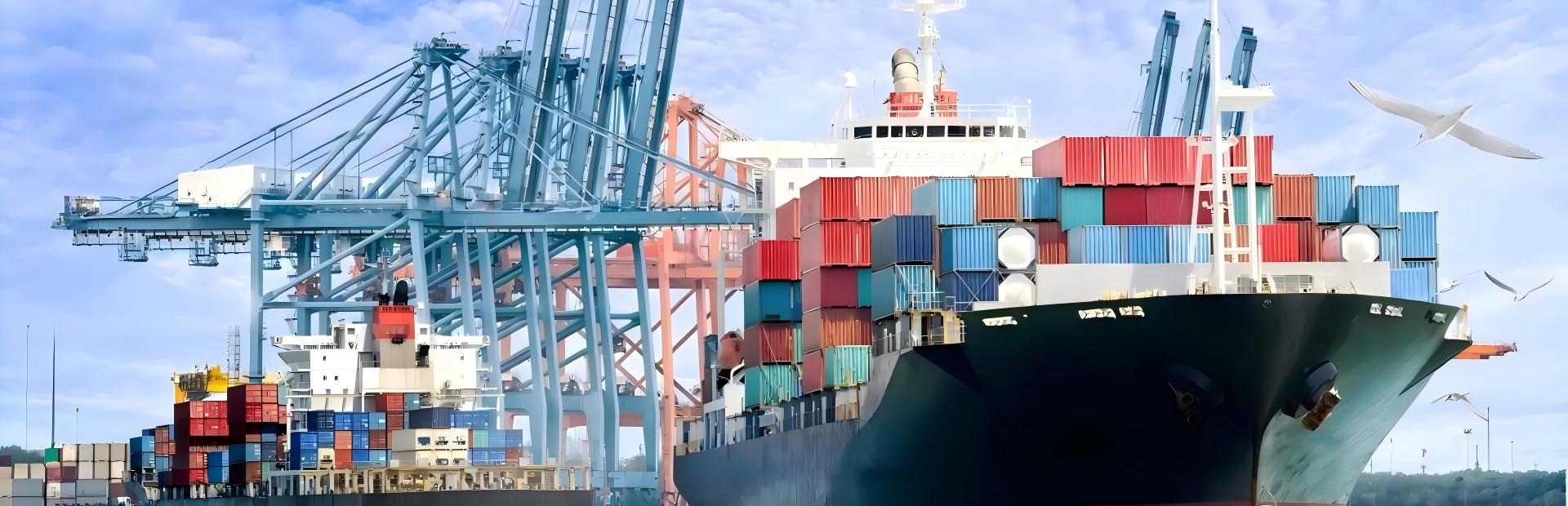
Sea freight to Canada is usually better for large and cost-sensitive shipments, while air freight to Canada is preferred for urgent, high-value, or time-sensitive cargo.
The main difference between sea freight and air freight to Canada is the balance between transportation cost, delivery speed, and shipment capacity.
Sea freight uses ocean vessels to transport goods from exporting countries to Canadian ports such as Vancouver, Montreal, and Toronto-connected logistics hubs. It is widely used for bulk shipments, industrial products, machinery, furniture, and regular inventory replenishment.
Air freight transports cargo through international airports and provides significantly faster delivery. It is commonly selected for urgent orders, electronic products, medical supplies, samples, and goods with higher value per kilogram.
For manufacturers exporting products to Canada, the better choice depends on shipment volume, delivery schedule, product characteristics, and overall supply chain requirements.
Sea freight is generally more cost-effective than air freight when shipping large quantities of goods.
Ocean transportation allows manufacturers to move full containers or consolidated cargo at a lower cost per unit because vessels can carry much larger volumes compared with aircraft.
Sea freight is often suitable for:
Large production orders
Heavy industrial products
Furniture and building materials
Machinery and equipment
Products with stable demand
Air freight usually has a higher transportation cost because aircraft capacity is limited and fuel costs are higher.
However, air freight can become economical for certain situations, such as:
Small quantity shipments
High-value products
Emergency replacement parts
Products where delayed delivery causes greater financial loss
The lowest shipping price does not always create the lowest overall cost. Manufacturers need to consider inventory costs, production schedules, and customer delivery expectations.
Delivery time is one of the biggest differences between sea freight and air freight.
Typical transportation timelines:
| Shipping Method | Average Transit Time | Suitable For |
|---|---|---|
| Sea Freight | Around 25–45 days depending on origin and destination | Bulk cargo and planned shipments |
| Air Freight | Around 3–10 days depending on routing and customs clearance | Urgent and time-sensitive goods |
Sea freight requires more time because shipments involve:
Port handling
Vessel schedules
Ocean transportation
Import customs procedures
Inland delivery after arrival
Air freight provides faster transportation because cargo moves through airport networks with fewer transportation stages.
For businesses with predictable demand planning, sea freight often provides better cost control. For businesses facing urgent market requirements, air freight provides stronger delivery flexibility.
Sea freight is usually the preferred option when shipment volume is large and delivery time allows proper planning.
Manufacturers often choose ocean shipping for:
fcl shipping allows one shipment to use an entire container, providing better control over loading, transportation planning, and cargo security.
It is suitable for:
Factory production orders
Large wholesale shipments
Long-term supply contracts
lcl shipping allows multiple shipments to share container space.
It is suitable for:
Smaller export orders
Trial shipments
Businesses entering the Canadian market
Sea freight also provides more flexibility for oversized and heavy cargo that may not be practical for air transportation.
Air freight is the better solution when delivery speed creates more value than transportation savings.
Common situations requiring air freight include:
When customers need products quickly, air freight helps reduce waiting time and maintain supply continuity.
New products, promotional inventory, and seasonal goods often require faster delivery to meet market schedules.
Electronics, precision components, and specialized equipment may justify higher transportation costs because of their value and importance.
When manufacturers experience shortages of critical parts, air freight can prevent production interruptions.
Both sea freight and air freight can provide reliable transportation when handled by experienced logistics providers.
Sea freight offers advantages for large shipments because containers provide protection against frequent handling. Full container shipments can also reduce cargo transfer points.
Air freight provides advantages through:
Faster transportation cycles
Shorter storage periods
Reduced exposure time during transit
The best choice depends on product type.
For example:
Heavy machinery may benefit from sea freight planning.
Precision components may require air freight speed and handling control.
Regular consumer products may use sea freight for cost efficiency.
Professional logistics planning helps match the shipping method with cargo requirements.
Both sea freight and air freight shipments must complete Canadian customs procedures.
The main differences are related to shipment processing speed and documentation timing.
Sea freight usually provides more preparation time because shipments travel longer distances. Importers can prepare documents, customs information, and delivery arrangements before cargo arrival.
Air freight moves faster, which means accurate documentation becomes even more important. Any missing information may quickly affect delivery schedules.
Freight forwarders help coordinate:
Commercial invoices
Packing lists
Customs declarations
Import documentation
Delivery arrangements
Proper preparation helps reduce delays for both transportation methods.
The best option depends on product demand and sales volume.
For e-commerce businesses:
Sea freight is often better for:
Bulk inventory replenishment
Warehouse stocking
Lower shipping costs
Air freight is often better for:
New product testing
Small inventory batches
Fast-selling products requiring quick restocking
Many growing businesses use a combined strategy by shipping regular inventory through sea freight while using air freight for urgent situations.
This approach creates a balance between cost efficiency and market responsiveness.
Yes. Many international supply chains use both transportation methods instead of relying on only one option.
A combined logistics strategy may include:
Sea freight for planned bulk shipments
Air freight for urgent replenishment
Express shipping for samples or small packages
This approach helps manufacturers maintain stable inventory while responding quickly to unexpected market changes.
From practical international logistics operations, the most effective shipping solution is usually not the fastest or cheapest option alone, but the one that matches production schedules, customer expectations, and business goals.
Businesses should evaluate several factors before selecting transportation methods:
Shipment volume and weight
Required delivery time
Product value and urgency
Import requirements
Inventory planning
Total landed cost
For most manufacturers exporting regular commercial goods, sea freight provides better long-term cost advantages. For urgent, high-value, or time-critical shipments, air freight offers stronger delivery performance.
Choosing the right freight solution helps businesses improve supply chain stability and build more reliable international trade operations.
Selecting between sea freight and air freight requires careful evaluation of cost, timing, cargo type, and import requirements. Our logistics team provides customized international shipping solutions, including ocean freight, air freight, customs coordination, and door-to-door delivery services for global businesses.
Contact us to discuss your Canada shipping requirements and receive a suitable transportation plan.