
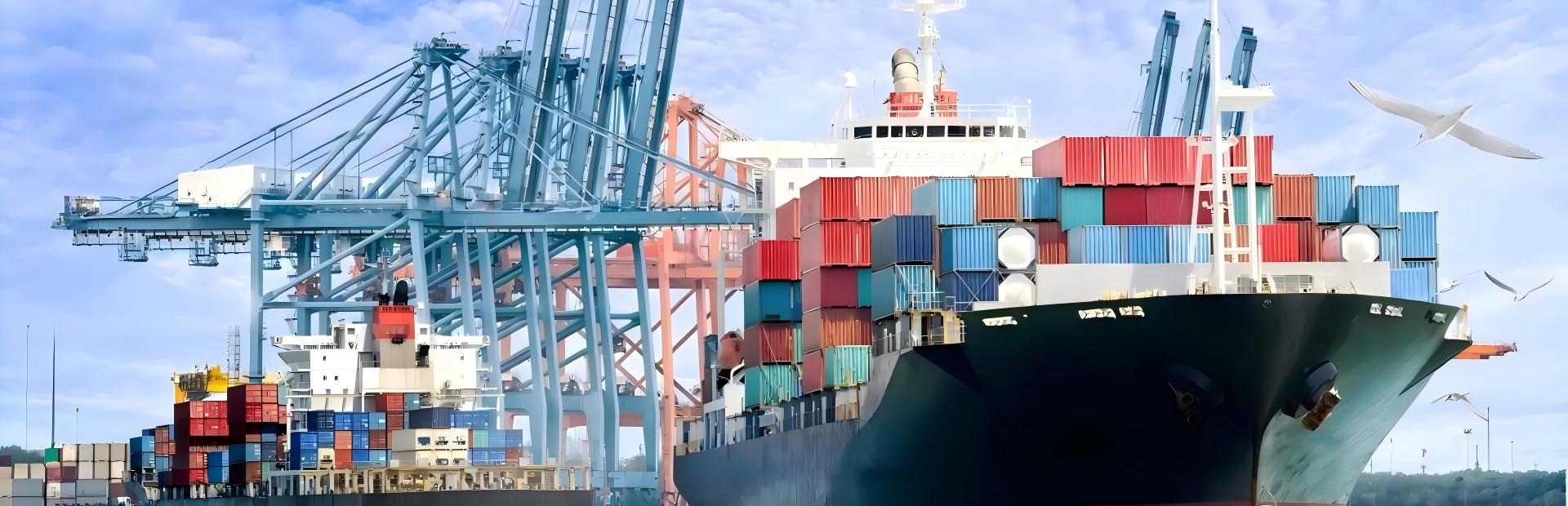
Freight forwarders handle Canadian import taxes by calculating duties, preparing customs documents, coordinating declarations, and helping importers complete compliance procedures before cargo clearance.
Freight forwarders do not replace importers' legal responsibility for paying taxes, but they play an important role in managing the customs process and reducing clearance risks.
When goods enter Canada, shipments may be subject to several charges, including customs duties, Goods and Services Tax (GST), and other applicable fees depending on the product category, origin, and trade regulations. A professional freight forwarder helps importers understand these requirements before shipment arrival.
For manufacturers exporting products to Canada, tax preparation is not only a customs issue but also a supply chain planning factor. Incorrect product classification, incomplete documents, or inaccurate shipment information can result in delays, additional costs, or unexpected import expenses.
Experienced freight forwarders combine international transportation knowledge with customs coordination experience to help businesses create a smoother import process.
Freight forwarders usually begin by reviewing shipment details, including:
Product description and application
HS code classification
Country of origin
Declared commercial value
Shipping terms such as DDP, DAP, or FOB
Applicable Canadian trade regulations
The HS code is one of the most important factors because Canadian customs authorities use product classifications to determine applicable duty rates and tax requirements.
For example, two products with similar appearances may have different HS classifications because of differences in materials, functions, or usage. Professional freight teams often verify product information before shipment to reduce classification errors.
A reliable freight forwarder also considers the complete landed cost, including:
Import duties
GST or applicable sales taxes
Customs brokerage fees
Transportation costs
Handling charges
This allows importers to estimate the real cost of bringing products into the Canadian market.
Freight forwarders help prepare and review the documents required for customs clearance. Common documents include:
The commercial invoice provides essential transaction information, including:
Seller and buyer details
Product descriptions
Quantity and value
Country of origin
Payment terms
Canadian customs authorities use this information to assess shipment value and determine applicable taxes.
The packing list helps customs officials and logistics teams verify cargo details, including:
Number of packages
Weight and dimensions
Packaging information
Transportation documents prove shipment movement and provide details about the carrier, consignee, and cargo.
Some products may require additional documents, such as certificates of origin, safety certifications, or regulatory approvals.
A freight forwarder helps ensure documentation consistency because differences between invoices, packing lists, and customs declarations are common causes of clearance delays.
Professional freight forwarders reduce import risks through several key processes.
Incorrect HS codes can lead to wrong duty calculations or customs inspections. Freight professionals review product information and coordinate with customs specialists when classification requires additional verification.
Import declarations must accurately reflect shipment details. Freight forwarders help organize information required by customs authorities and ensure that declarations match supporting documents.
Before cargo leaves the manufacturing facility, freight providers can estimate possible import charges. This helps businesses avoid unexpected costs after goods arrive in Canada.
Different Incoterms create different responsibilities for sellers and buyers.
For example:
Under ddp shipping, the seller or logistics provider usually manages import clearance and related charges.
Under DAP shipping, the buyer typically handles import duties and taxes.
Selecting the correct shipping term helps avoid confusion between exporters and Canadian importers.
DDP (Delivered Duty Paid) shipping is often selected by businesses that want a simplified import experience.
Under a DDP arrangement, the seller or appointed logistics partner manages:
International transportation
Customs clearance coordination
Import duties
Tax handling
Final delivery arrangements
This option is especially useful for companies that do not have extensive import experience in Canada.
However, DDP shipping requires accurate cost calculation because duties, taxes, and clearance expenses must be considered before offering the final shipping price.
For manufacturers exporting regularly, working with an experienced freight forwarder helps create more predictable logistics costs and improves customer purchasing confidence.
Freight forwarders and customs brokers often work together, but their responsibilities are different.
| Service Provider | Main Responsibility |
|---|---|
| Freight Forwarder | Manages transportation planning, shipment coordination, and logistics solutions |
| Customs Broker | Handles official customs declarations and compliance procedures |
Many international logistics companies cooperate with licensed customs brokers to provide complete shipping solutions.
For exporters, this combined approach reduces communication gaps because transportation and customs processes are managed within one coordinated workflow.
Manufacturers can reduce unexpected expenses by preparing before shipment.
Key practices include:
Confirm HS codes before production completion
Provide accurate product descriptions
Prepare complete commercial documents
Understand Canadian import requirements
Select suitable shipping terms
Work with experienced international freight partners
From practical logistics experience, many import cost problems are not caused by tax rates themselves but by incomplete preparation before cargo departure.
Early communication between manufacturers, freight forwarders, and importers creates better cost visibility and fewer clearance issues.
Canadian import procedures involve multiple steps, from transportation arrangements to customs coordination and tax calculation.
A professional freight forwarder helps businesses manage these processes by combining:
International shipping experience
Customs coordination capability
Documentation management
Cost planning support
End-to-end logistics solutions
For manufacturers exporting from China or other production regions to Canada, choosing a reliable logistics partner can improve delivery efficiency and create a more stable global supply chain.
Managing Canadian import taxes requires accurate preparation, reliable documentation, and professional logistics coordination. Our team provides international freight solutions including ocean freight, air freight, customs coordination, and door-to-door shipping services to help businesses simplify global trade.
Contact us to discuss your Canadian shipping requirements and receive a customized logistics solution.