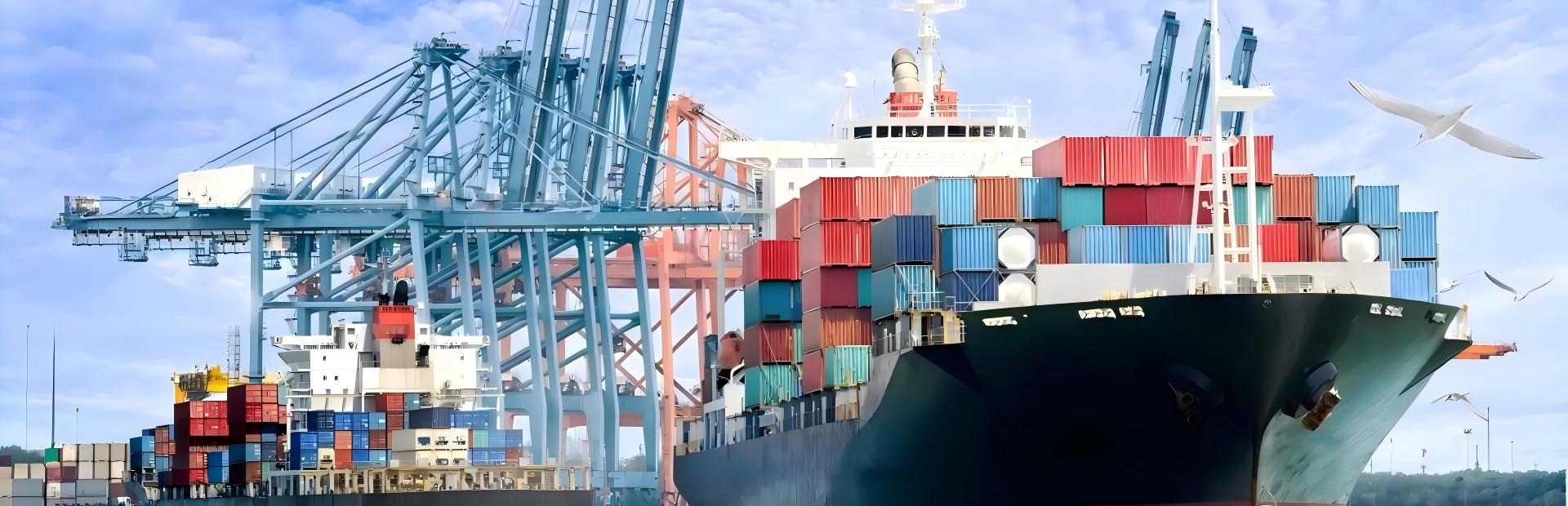
Customs clearance is a critical process in international logistics that ensures goods entering or leaving a country comply with all regulatory, tax, and documentation requirements.
CFR does not include import customs clearance. Under CFR, the seller pays the cost and freight to the named destination port, but the buyer is usually responsible for import customs clearance, duty, tax, port charges after arrival, and inland delivery.
Sea container shipping services may include customs clearance, but it depends on the shipping term and service scope. Basic ocean freight usually covers port-to-port transport only. Customs clearance is normally added separately unless the shipment is arranged under DDP, DDU, or door-to-door service.
“One touch customs clearance” sounds convenient, but it is not suitable for every shipment. For international freight, customs clearance still depends on accurate documents, correct HS code, declared value, cargo type, duty payment, and destination market rules
FedEx can provide customs clearance for many international express shipments. In most cases, the carrier submits shipment data, commercial invoice details, HS code information, declared value, and consignee details to customs for review.
The customs clearance process is the formal procedure that allows goods to enter or leave a country legally. Customs checks shipment documents, product details, HS code, declared value, duty payment, origin information, and compliance documents before releasing the cargo.
A proforma invoice can sometimes be used for customs clearance reference, but it usually cannot fully replace a commercial invoice for formal import declaration. Customs authorities normally need a final commercial invoice to confirm product name, quantity, value, HS code, country of origin, seller, buyer, and trade terms.
Containers are not always unpacked for customs clearance. In most cases, customs first reviews shipping documents, including the commercial invoice, packing list, bill of lading, HS code, declared value, origin details, and importer information.
After customs clearance completed, the shipment has passed customs review and can move to the next logistics stage. This does not always mean final delivery is finished. The cargo may still need terminal release, warehouse sorting, truck dispatch, delivery appointment, or Amazon FBA receiving.
Customs clearance delay means a shipment is taking longer than expected to pass customs review. The cargo may be held at a port, airport, bonded warehouse, or customs inspection area until documents, duties, product details, or compliance information are confirmed.
For Shein-style cross-border parcels, customs clearance usually takes same day to 3 working days when shipment data is complete and the parcel is not selected for inspection. In some cases, clearance may take longer due to peak season, incomplete declaration, destination customs review, duty confirmation, or local delivery congestion.
Customs clearance delay means a shipment cannot be released by customs on the expected schedule. The cargo may stay at a port, airport, bonded warehouse, or customs inspection area until documents, duties, product information, or compliance issues are confirmed.