
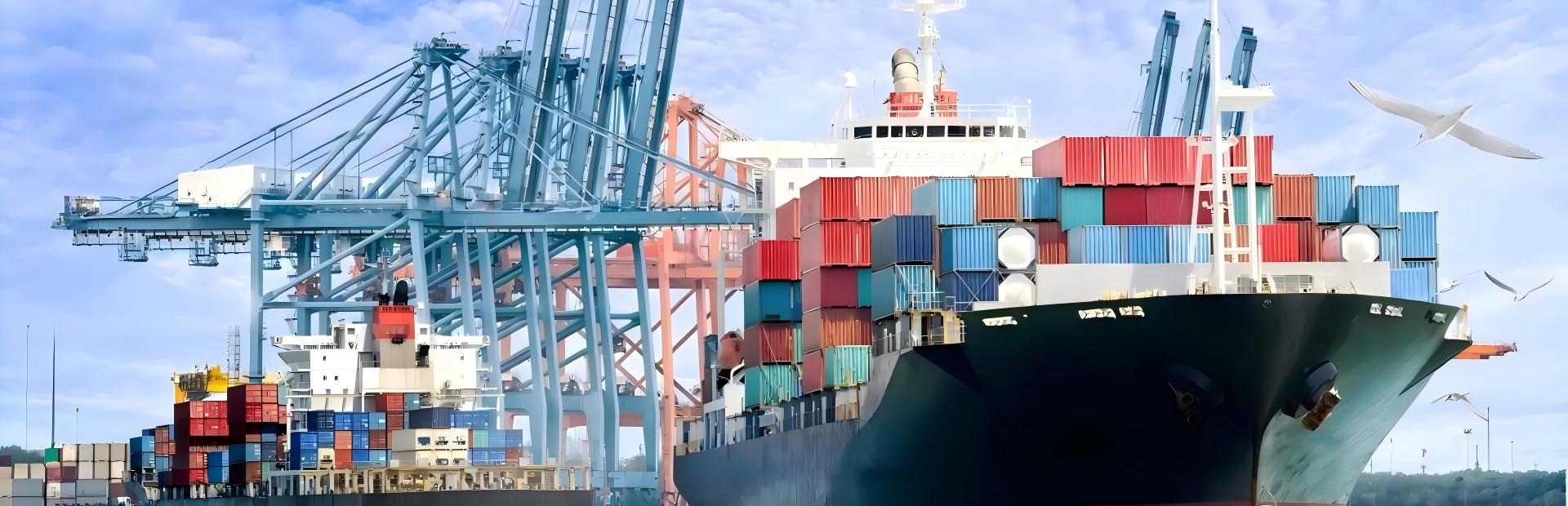
Global shipping rates play a decisive role in how importers plan sourcing, pricing, inventory, and overall supply chain strategy. For businesses involved in cross-border trade, changes in freight rates are not just a logistics issue but a direct commercial factor that influences competitiveness and operational stability.
Understanding how shipping rates affect importers helps businesses make better decisions, reduce risk, and build more resilient international logistics structures.
Table of Contents
- Shipping Rates Directly Influence Total Landed Cost
- Rate Volatility Creates Planning Uncertainty
- Shipping Rates Affect Inventory And Cash Flow
- Transportation Mode Selection Becomes More Critical
- Freight Rates Impact Market Competitiveness
- DDP Shipping Helps Importers Manage Rate Risk
- Long-Term Logistics Planning Reduces Rate Sensitivity
- Conclusion
Shipping Rates Directly Influence Total Landed Cost
For importers, shipping rates are a core component of total landed cost. Freight charges affect the final cost of goods after adding duties, taxes, warehousing, and inland delivery. Even small fluctuations in shipping rates can significantly impact profit margins, especially for high-volume or low-margin products.
When shipping rates rise, importers may face higher unit costs, reduced pricing flexibility, or pressure to renegotiate terms with downstream partners. When rates fall, importers gain more room to optimize pricing, expand inventory, or enter new markets.
This makes freight rate management an essential part of long-term cost control rather than a short-term purchasing decision.
Rate Volatility Creates Planning Uncertainty
One of the biggest challenges for importers is not high rates alone, but unpredictable rate changes. Sudden increases in ocean or air freight rates can disrupt budgets, delay shipments, or force importers into emergency shipping decisions.
Rate volatility makes it harder to forecast logistics costs, plan inventory cycles, and commit to delivery timelines. Importers operating without stable logistics planning often respond by overstocking or relying on expensive expedited shipping, both of which increase operational risk.
A structured logistics strategy helps reduce exposure to rate fluctuations by improving shipment scheduling and mode selection.
Shipping Rates Affect Inventory And Cash Flow
Higher shipping rates often lead importers to ship smaller batches more frequently, which can increase handling costs and complicate inventory management. Conversely, lower rates may encourage larger shipments, tying up more capital in inventory.
Importers must balance freight cost against inventory holding cost and cash flow pressure. Poor alignment between shipping rates and inventory planning can lead to overstock, stockouts, or unnecessary financing expenses.
By optimizing shipment size and timing, importers can stabilize inventory flow even when freight rates change.
WANHAO Logistics supports importers by aligning transportation planning with inventory strategy, helping maintain predictable cash flow and supply continuity.
Transportation Mode Selection Becomes More Critical
Global shipping rates directly influence the choice between ocean freight and air freight. When ocean rates rise sharply or capacity becomes constrained, some importers turn to air freight for reliability, despite higher cost. When air freight rates increase, ocean freight becomes more attractive for cost-sensitive shipments.
However, switching modes without proper planning often increases total logistics cost rather than reducing it. Importers need to evaluate shipping rates in the context of delivery urgency, cargo profile, and long-term demand patterns.
Professional logistics coordination allows importers to choose the most cost-effective mode without compromising delivery performance.
Freight Rates Impact Market Competitiveness
Importers competing in price-sensitive markets are particularly affected by shipping rates. Higher logistics costs may force price increases, making products less competitive. In contrast, importers with optimized logistics structures can absorb rate changes more effectively and maintain stable pricing.
Shipping rates also influence sourcing decisions. Importers may adjust supplier locations, shipment frequency, or delivery terms to mitigate the impact of rising freight costs.
A well-managed logistics partner helps importers respond strategically rather than reactively to rate changes.
DDP Shipping Helps Importers Manage Rate Risk
Unclear cost responsibility often amplifies the impact of shipping rate fluctuations. Importers using fragmented shipping arrangements may face unexpected surcharges, destination fees, or customs-related delays.
DDP shipping consolidates transportation, customs clearance, and final delivery into a single cost structure. This reduces uncertainty and helps importers control total logistics expense even when base freight rates fluctuate.
WANHAO Logistics provides DDP door-to-door solutions that allow importers to stabilize landed cost and reduce exposure to unpredictable charges across major trade lanes.
Long-Term Logistics Planning Reduces Rate Sensitivity
Importers who rely on spot rates and last-minute bookings are more vulnerable to global shipping rate changes. In contrast, those with long-term planning benefit from better capacity access, more stable pricing, and improved delivery predictability.
Long-term logistics planning includes shipment forecasting, route optimization, cargo consolidation, and coordination across transportation, customs, and warehousing.
WANHAO Logistics works as a solution-oriented logistics provider, supporting importers with structured planning that minimizes the operational impact of global shipping rate fluctuations.
Conclusion
Global shipping rates affect importers far beyond transportation cost alone. They influence pricing strategy, inventory planning, cash flow, and market competitiveness.
Importers that understand rate dynamics and integrate logistics planning into their overall business strategy are better positioned to manage cost pressure and maintain delivery stability. Rather than reacting to rate changes, a structured logistics approach allows importers to operate with confidence in a changing global freight environment.
By working with an experienced logistics partner such as WANHAO Logistics, importers can reduce uncertainty, optimize total landed cost, and build a more resilient international supply chain.