
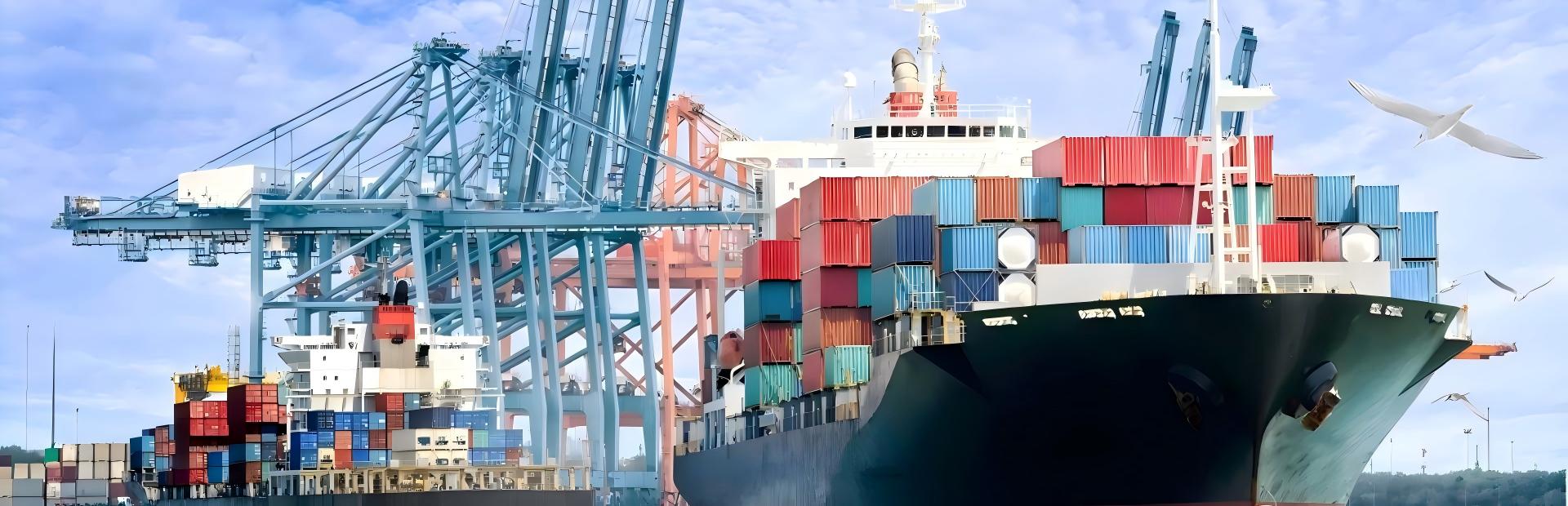
Sea freight to Germany is generally more cost-effective for large, heavy, or bulk shipments, while air freight is better for urgent, high-value, or time-sensitive cargo that requires faster delivery.
Sea freight and air freight are the two main transportation options for businesses shipping goods from China to Germany. The primary differences are transportation cost, transit time, cargo capacity, and shipment flexibility.
Sea freight transports cargo by ocean and is commonly used for commercial orders, industrial equipment, furniture, and wholesale inventory.
Air freight transports cargo by aircraft and is commonly used for urgent orders, samples, high-value products, and time-sensitive inventory replenishment.
For importers, manufacturers, and wholesalers, the right option depends on the complete logistics requirement rather than freight price alone.
Sea freight is generally cheaper per unit for large shipments because container vessels offer substantial cargo capacity.
It is suitable for businesses shipping:
Bulk commercial orders
Heavy machinery and equipment
Furniture and bulky products
Wholesale inventory
Regular factory production orders
Air freight usually has a higher transportation cost per kilogram because aircraft capacity is limited and faster transportation requires different handling and operating arrangements.
However, the cheapest transportation method is not always the most economical business decision. Importers should also consider inventory shortages, production interruptions, storage costs, and customer delivery commitments.
For example, sea freight may provide better value for a planned wholesale order, while air freight may be justified when a delayed component could interrupt an entire production line.
Air freight is significantly faster than sea freight for international transportation from China to Germany.
Typical planning estimates are:
| Shipping Method | Indicative Transit Time | Best Suited For |
|---|---|---|
| Sea Freight | Around 25–40 days port to port | Large, planned shipments |
| Air Freight | Around 3–10 days airport to airport | Urgent and time-sensitive cargo |
These estimates refer to international transportation rather than guaranteed door-to-door delivery times. Actual schedules depend on the departure and arrival locations, carrier availability, handling, customs clearance, and final delivery.
Door-to-door shipping takes additional time for factory pickup, export procedures, import clearance, and local transportation.
Businesses should request route-specific estimates before booking, particularly during peak shipping seasons.
Sea freight is generally the preferred option when transportation cost and cargo capacity are more important than speed.
fcl shipping is suitable when one shipment uses a dedicated container.
Typical applications include:
Large manufacturing orders
Heavy industrial equipment
Furniture and commercial fixtures
Regular wholesale shipments
FCL can provide greater control over container use and reduce the need to share container space with unrelated shipments.
lcl shipping allows cargo from different shippers to share container space.
It is suitable for:
Smaller commercial orders
Trial shipments
Multiple products with limited volume
Importers testing the German market
LCL can reduce the initial transportation commitment, although consolidation and deconsolidation handling may affect both cost and transit time.
Sea freight offers substantial cargo capacity and can support predictable inventory replenishment.
Businesses that forecast demand and plan orders in advance can use ocean transportation to control logistics costs without paying a premium for speed they do not need.
Air freight is suitable when goods must reach Germany quickly or when the commercial value of faster delivery outweighs the additional transportation cost.
Common applications include:
Air freight helps businesses respond to unexpected orders or short delivery deadlines.
Manufacturers and distributors can use air freight to send samples for evaluation, testing, or approval before placing larger production orders.
Products with high value relative to their weight may justify faster transportation, depending on their margins and delivery requirements.
Air freight can help replace unavailable inventory or critical components when waiting for the next sea shipment would create significant business disruption.
The decision should be based on the value of time saved, not simply on whether air freight is faster.
Product characteristics strongly influence the most suitable shipping method.
| Product Type | Commonly Suitable Option | Key Consideration |
|---|---|---|
| Furniture | Sea freight | Large cargo volume |
| Industrial machinery | Sea freight | Weight, dimensions, and handling |
| Wholesale consumer goods | Sea freight | Cost per unit |
| Product samples | Air freight | Faster evaluation |
| Urgent spare parts | Air freight | Production continuity |
| High-value compact products | Air freight may be suitable | Value relative to weight |
| Time-sensitive inventory | Air freight | Delivery deadlines |
These are general recommendations. Fragile, dangerous, temperature-sensitive, or regulated products may require special packaging, handling, or transportation arrangements regardless of the shipping method.
Sea freight usually offers lower international freight costs for large shipments, but importers should compare the complete landed cost before making a decision.
A total landed cost calculation may include:
Product purchase price
Factory pickup
Export handling
International freight
Cargo insurance, where applicable
Customs duty
Import VAT
Port or airport handling
Customs clearance fees
German inland transportation
Storage and other applicable charges
Air freight may reduce inventory waiting time and help avoid stockouts. Sea freight may reduce transportation expenses but require longer inventory planning.
For businesses with predictable demand, sea freight often provides stronger cost efficiency. For businesses facing urgent deadlines or expensive inventory shortages, air freight may deliver better overall value.
Both sea freight and air freight are subject to applicable EU customs requirements when goods enter Germany from China.
The main requirements generally relate to the goods and import transaction rather than the transportation method.
Importers should prepare:
Accurate commercial invoices
Packing lists
Correct commodity codes
Customs valuation information
Country-of-origin information
EORI details where required
Product-specific certificates or permits when applicable
Sea freight often provides a longer transportation window in which to review documents before arrival. Air freight moves faster, making early document preparation particularly important.
Importers should also confirm who will submit the customs declaration and how customs duty and import VAT will be handled.
The best option depends on inventory levels, sales demand, and the consequences of delayed delivery.
Sea freight is suitable for larger planned shipments when sellers can forecast demand and prepare inventory well in advance.
Benefits include:
Lower transportation costs for bulk inventory
Suitability for larger replenishment orders
More economical movement of bulky products
Sellers must account for international transit, customs clearance, and delivery appointment requirements when planning inventory arrival.
Air freight is useful for:
Initial product launches
Urgent restocking
Smaller high-value shipments
Products with rapidly changing demand
Many e-commerce businesses use a combined strategy: sea freight for regular inventory and air freight for urgent replenishment.
For Amazon FBA shipments, sellers should confirm current fulfilment centre requirements, shipment labelling, appointment arrangements, and import documentation before dispatch.
Yes. A hybrid shipping strategy can balance cost efficiency with delivery flexibility.
For example, a business may ship most of its inventory by sea freight while sending a smaller quantity by air freight to cover urgent demand.
This approach can help businesses:
Reduce average transportation costs
Maintain product availability
Respond to unexpected orders
Manage seasonal demand
Reduce the risk of inventory shortages
The most effective combination depends on sales forecasts, production schedules, shipment frequency, and the cost of delayed delivery.
Before selecting sea freight or air freight, importers should evaluate the following factors.
Large and heavy shipments often favour sea freight. Smaller urgent shipments may be better suited to air freight.
Businesses should determine when the goods must be available at the final destination, rather than comparing international transit times alone.
High-value or time-sensitive goods may justify higher freight costs.
Compare transportation, handling, customs, delivery, and potential inventory-related costs.
Cargo dimensions, fragility, dangerous goods classification, and special handling needs can influence availability and cost.
Confirm the documentation, customs declaration, and product compliance requirements before cargo departs.
A structured evaluation helps businesses select transportation based on operational needs rather than relying on a single cost or speed indicator.
Businesses can improve shipping efficiency through several practical measures.
Advance planning creates more flexibility to use sea freight instead of expensive urgent transportation.
Combining shipments from multiple suppliers may reduce repeated handling and improve cargo utilization.
Reducing unnecessary packaging volume can improve container utilization and, for air freight, may reduce chargeable weight.
Check origin charges, international freight, destination fees, customs services, and final delivery.
Businesses with regular demand may benefit from scheduled sea freight replenishment supported by limited air freight for urgent requirements.
A professional freight forwarder coordinates the different stages of international logistics, including supplier pickup, export documentation, transportation, customs coordination, and destination delivery.
For businesses shipping from china to Germany, useful capabilities include:
Sea freight and air freight arrangements
FCL and LCL consolidation
Export documentation coordination
German import customs coordination
Door-to-door delivery
Clear shipment updates and cost breakdowns
The best logistics partner should explain the trade-offs between transportation methods and recommend a solution that matches cargo requirements, delivery deadlines, and budget.
Our team provides international logistics solutions including sea freight, air freight, cargo consolidation, customs clearance coordination, and door-to-door shipping. Shipping arrangements can be tailored to cargo volume, product type, delivery deadlines, and destination requirements in Germany.
Contact us to discuss your China-to-Germany shipment and receive a suitable logistics plan.