
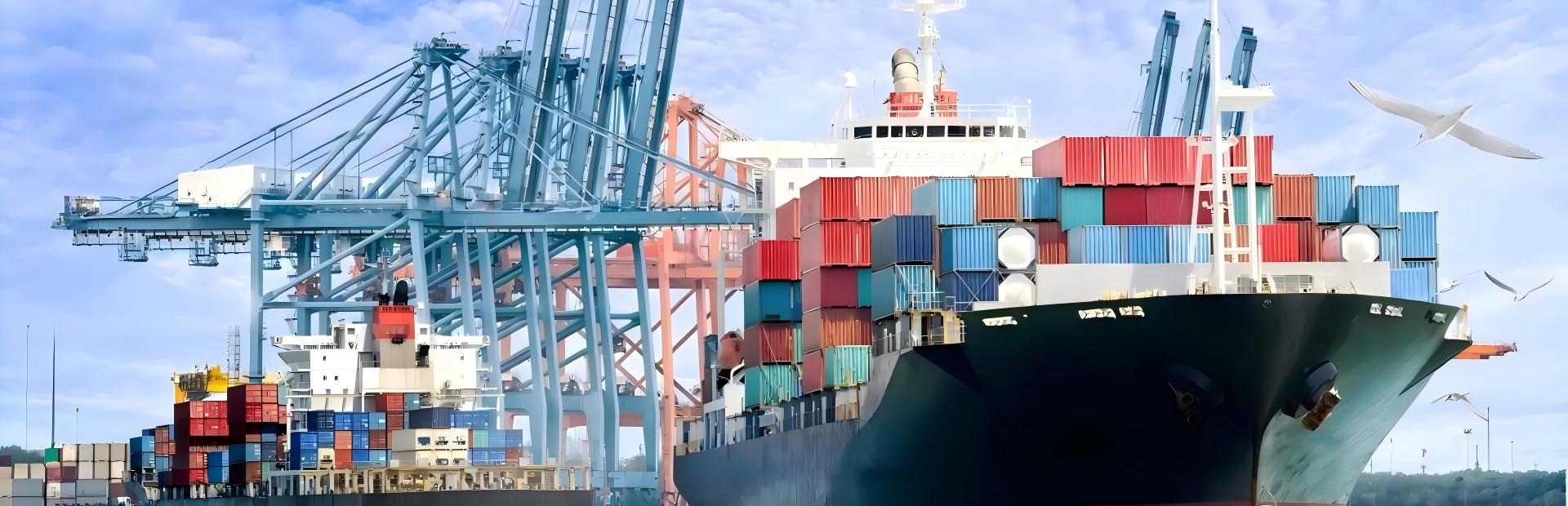
Supply chain risk has become a defining challenge in global logistics. Disruptions caused by port congestion, capacity shortages, regulatory changes, and demand volatility can quickly impact delivery performance and operating costs. Integrated warehousing has emerged as an effective way to reduce these risks by aligning storage, transportation, and fulfillment into a coordinated logistics structure.
Rather than treating warehousing as a standalone function, integrated warehousing embeds inventory management directly into the broader supply chain strategy.
One of the biggest risks in global logistics is over-reliance on a single transportation route or timeline. When inventory is managed only at the origin, any disruption during international transit immediately affects order fulfillment.
Integrated warehousing allows inventory to be positioned across strategic locations, reducing dependence on one route or shipment cycle. When delays occur, local stock can continue to support fulfillment while transportation issues are resolved.
This geographic flexibility significantly lowers the impact of unexpected disruptions.
Limited visibility is a major contributor to supply chain risk. When inventory data, shipment status, and warehouse operations are managed separately, delays and errors often go unnoticed until they affect delivery.
Integrated warehousing connects inventory management with transportation planning and fulfillment execution. This unified view allows businesses to track inventory movement in real time and identify potential bottlenecks early.
Early visibility enables proactive decision-making instead of reactive problem-solving.
Supply chain risks often emerge at handoff points, such as ports, customs clearance, or inbound receiving. Poor coordination between these stages can lead to congestion, extended dwell time, and missed delivery windows.
Integrated warehousing aligns inbound transportation schedules with warehouse receiving capacity and outbound distribution planning. This coordination reduces idle time, prevents congestion at terminals, and ensures smoother cargo flow.
When each stage operates within the same planning framework, bottlenecks become easier to predict and manage.
Demand volatility is a constant risk in global supply chains. Sudden increases or decreases in demand can lead to stockouts, overstock, or rushed replenishment shipments.
Integrated warehousing provides buffer capacity that absorbs demand fluctuations without disrupting the entire supply chain. Inventory can be allocated, rebalanced, or held strategically based on real-time demand signals.
This stability reduces the need for emergency shipping and protects delivery performance during peak periods.
Customs delays and compliance issues are common sources of supply chain disruption. Inaccurate documentation, inconsistent product data, or misaligned clearance timing can stall shipments even when transportation runs smoothly.
Integrated warehousing supports structured customs planning by aligning inventory records, shipment documentation, and clearance processes. Once inventory is cleared and stored, downstream fulfillment becomes more predictable and less exposed to regulatory delays.
Clear separation between international clearance and domestic distribution reduces overall compliance risk.
Fragmented fulfillment operations increase the risk of errors, delays, and service failures. When warehousing operates independently from transportation and delivery, miscommunication and misalignment are more likely.
Integrated warehousing connects storage, order processing, and outbound delivery into a single operational flow. This reduces handoff errors, improves order accuracy, and ensures that fulfillment timelines are realistic and achievable.
Better coordination directly translates into lower operational risk.
WANHAO Logistics supports integrated warehousing solutions that align inventory positioning, transportation planning, and fulfillment execution into a cohesive logistics framework.
External disruptions such as labor shortages, weather events, or capacity constraints can quickly destabilize supply chains. Integrated warehousing increases resilience by providing alternative fulfillment options and inventory buffers.
With inventory distributed and managed as part of an integrated system, businesses can continue operations even when specific routes or nodes are affected. This resilience protects revenue and customer commitments during uncertain conditions.
Risk reduction is not only about reacting to disruptions but also about designing supply chains that can perform under pressure. Integrated warehousing supports long-term risk management by improving predictability, control, and flexibility.
By embedding warehousing into strategic logistics planning, businesses reduce exposure to single points of failure and improve their ability to adapt to change.
Integrated warehousing reduces supply chain risks by improving visibility, stabilizing inventory flow, coordinating logistics stages, and increasing resilience against disruptions. It transforms warehousing from a passive storage function into an active risk management tool.
When combined with structured transportation planning and compliance coordination, integrated warehousing strengthens supply chain reliability and operational control. With solution-oriented logistics planning and integrated warehousing capabilities, WANHAO Logistics helps businesses build supply chains that are more resilient, predictable, and prepared for global uncertainty.