
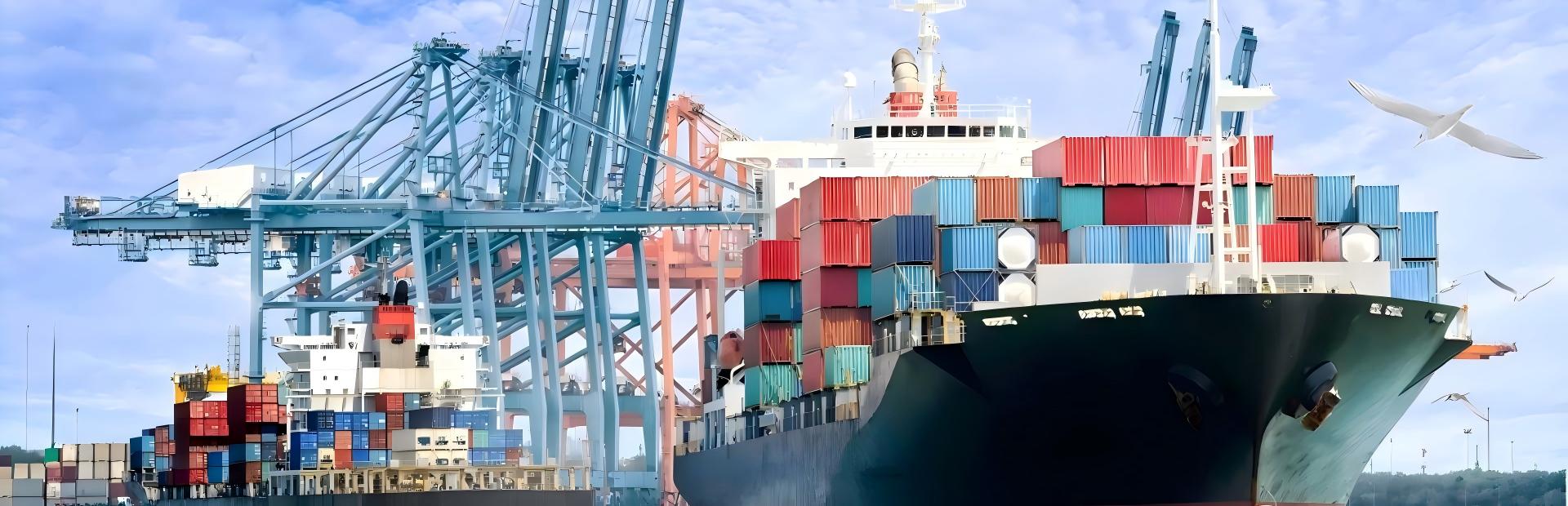
Sea freight to the UK is usually better for large and cost-sensitive shipments, while air freight to the UK is preferred for urgent, high-value, or time-critical cargo.
The main difference between sea freight and air freight to the UK is the balance between cost, speed, and shipment capacity.
Sea freight transports goods through international ocean routes and is widely used for commercial shipments requiring large cargo volumes.
Air freight uses international aviation networks and provides faster transportation for businesses that need shorter delivery times.
For manufacturers and importers shipping from china to the UK, the best option depends on:
Cargo volume
Delivery requirements
Product value
Inventory planning
Budget considerations
The right shipping method should match business goals instead of simply choosing the cheapest or fastest option.
Sea freight is generally more cost-effective for large shipments because ships can transport much larger cargo volumes than aircraft.
Sea freight is suitable for:
Bulk orders
Full container shipments
Heavy products
Industrial equipment
Regular inventory replenishment
The main cost advantages include:
Lower cost per unit
Larger transportation capacity
Better suitability for planned shipments
Air freight usually has a higher transportation cost due to:
Limited aircraft capacity
Higher fuel expenses
Faster service requirements
However, air freight may be more economical when delayed delivery creates greater business losses.
Delivery speed is one of the biggest differences between the two transportation methods.
Typical transit times include:
| Shipping Method | Average Transit Time | Best For |
|---|---|---|
| Sea Freight | Around 25–45 days | Large planned shipments |
| Air Freight | Around 3–10 days | Urgent cargo |
Sea freight involves:
Export handling
Port procedures
Ocean transportation
UK customs clearance
Local delivery
Air freight provides faster movement through airport networks and shorter transportation cycles.
Businesses should evaluate whether faster delivery creates enough value to justify the additional cost.
Sea freight is usually the preferred option for businesses importing larger quantities.
It is suitable for:
fcl shipping allows one shipment to use a dedicated container.
Advantages include:
Better cargo control
Reduced handling
More predictable transportation planning
Suitable for:
Factory production orders
Wholesale shipments
Long-term supply contracts
lcl shipping allows different shipments to share container space.
Suitable for:
Smaller orders
Trial shipments
Businesses testing the UK market
Sea freight provides strong cost advantages for businesses with stable inventory requirements.
Air freight is suitable when delivery speed is more important than transportation cost.
Common situations include:
When customers need products quickly, air freight helps maintain supply availability.
New products and seasonal goods may require faster market entry.
Products with high value density may justify higher transportation costs.
Air freight can help businesses quickly replace missing inventory or production components.
For businesses operating in fast-changing markets, air freight provides stronger flexibility.
Both sea freight and air freight can provide reliable transportation when properly managed.
Sea freight advantages:
Container protection
Lower handling frequency
Suitable for heavy cargo
Stable long-distance transportation
Air freight advantages:
Shorter transit time
Reduced storage period
Faster shipment movement
The best option depends on product characteristics.
Examples:
Machinery often benefits from sea freight.
Electronics and precision products may benefit from air freight.
Regular consumer goods often use sea freight for cost efficiency.
Both shipping methods require UK customs clearance.
The main difference is the preparation timeline.
Sea shipments usually provide more time for:
Document preparation
Customs planning
Import arrangements
Air shipments arrive faster, so accurate documentation becomes more important.
Required information may include:
Commercial invoices
Packing lists
HS codes
Product descriptions
Import details
Professional freight forwarders help coordinate customs procedures for both transportation methods.
The best option depends on inventory strategy.
Bulk inventory
Warehouse replenishment
Lower transportation costs
New product testing
Fast-moving products
Urgent restocking
Many e-commerce businesses combine both methods:
Sea freight for regular inventory
Air freight for urgent supply
This approach balances cost efficiency with delivery flexibility.
Yes. A combined shipping strategy is often used by growing businesses.
A hybrid logistics model may include:
Sea freight for planned shipments
Air freight for urgent orders
Express shipping for samples
This allows businesses to maintain stable inventory while responding quickly to market changes.
From practical international logistics operations, the most efficient supply chains usually combine different transportation methods instead of depending on only one solution.
A practical evaluation should include:
Large shipments usually benefit from sea freight.
Urgent orders may require air freight.
High-value products may justify faster transportation.
Predictable demand supports sea freight scheduling.
Businesses should consider:
Freight cost
Customs charges
Storage costs
Potential delay costs
Choosing based on total supply chain value creates better long-term results.
Manufacturers should select transportation based on production and customer requirements.
Sea freight is usually better for:
Regular export orders
Large production quantities
Cost-focused supply chains
Air freight is usually better for:
Urgent customer requirements
Samples
High-value components
For most manufacturers shipping standard commercial products to the UK, sea freight provides stronger cost advantages. Air freight supports situations where speed is more valuable than transportation savings.
Businesses can optimize logistics expenses by:
Use:
Sea freight for large planned shipments
Air freight for urgent needs
Reducing unnecessary volume helps lower transportation costs.
Combining multiple supplier shipments can improve freight efficiency.
Advance booking helps avoid peak season costs.
Professional freight providers help optimize:
Shipping routes
Cargo planning
Customs procedures
International shipping affects:
Product availability
Inventory management
Customer satisfaction
Overall business costs
Choosing between sea freight and air freight requires balancing:
Cost
Speed
Reliability
Cargo requirements
A suitable logistics strategy helps businesses build a more stable China-to-UK supply chain.