
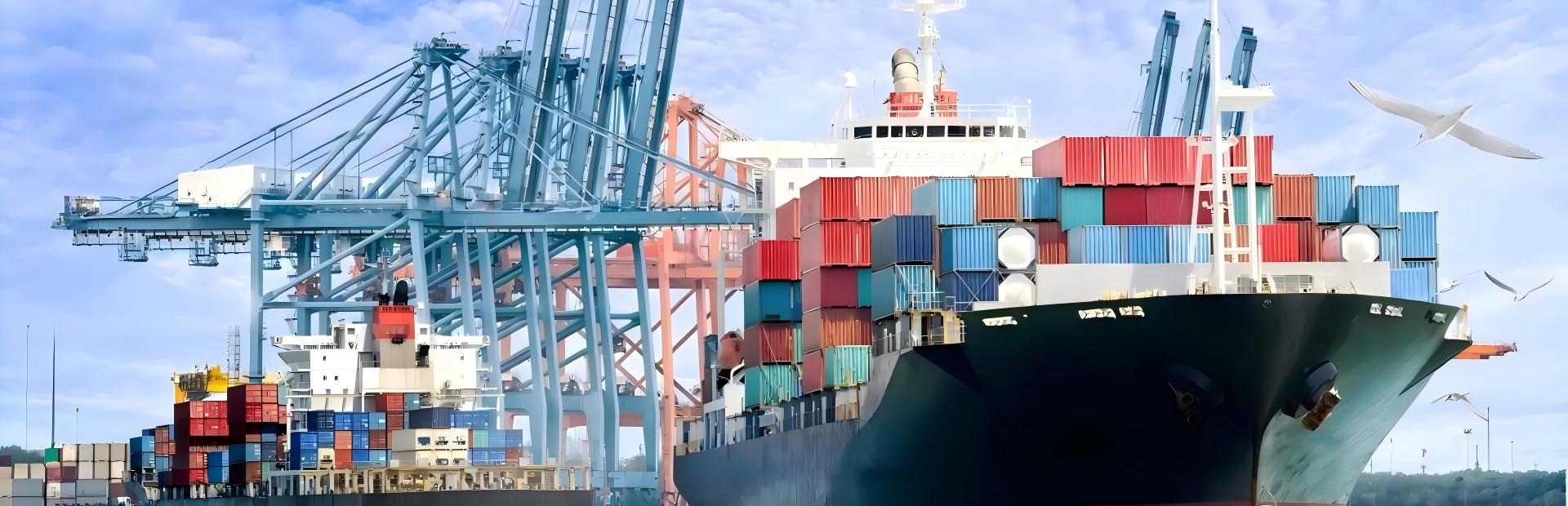
Shipping costs from China to Canada can be reduced by optimizing transportation methods, improving shipment planning, consolidating cargo, and choosing the right logistics solutions.
Shipping costs from China to Canada are influenced by multiple factors, not only the freight rate itself.
The main cost factors include:
Shipping method
Cargo volume and weight
Product category
Container utilization
Origin and destination locations
Customs requirements
Delivery method
Seasonal market conditions
For manufacturers and importers, reducing logistics costs requires looking at the complete supply chain instead of only comparing transportation prices.
A lower freight rate may not always create lower total costs if it causes longer delays, additional handling fees, or inefficient inventory management.
Choosing the right transportation method is one of the most effective ways to control China-Canada shipping expenses.
Sea freight is usually the most cost-effective option for large shipments.
It is suitable for:
Bulk orders
Full container shipments
Regular inventory replenishment
Heavy products
Large-volume commercial cargo
Ocean transportation provides lower cost per unit because containers can carry large quantities of goods.
Air freight has a higher transportation cost but offers faster delivery.
It is suitable for:
Urgent orders
High-value products
Samples
Production replacement parts
For many businesses, the best strategy is not choosing only one method but combining sea freight for planned inventory and air freight for urgent requirements.
Improper container usage is one of the common reasons for higher shipping expenses.
Businesses can reduce costs by improving container utilization.
fcl shipping allows one shipment to occupy an entire container.
Advantages include:
Lower handling frequency
Better cargo control
More predictable transportation costs
lcl shipping allows multiple shipments to share container space.
It is suitable for:
Small orders
Trial shipments
New market testing
Choosing between FCL and LCL based on actual cargo volume helps avoid paying for unused container space.
Yes. Cargo consolidation is an effective method for businesses with smaller shipments.
Instead of shipping multiple small orders separately, shipments can be combined into one larger shipment.
Benefits include:
Lower transportation costs
Reduced handling expenses
Better freight efficiency
Easier shipment management
For companies sourcing from multiple suppliers in China, warehouse consolidation services can collect products from different factories before international shipping.
This approach is especially useful for distributors, wholesalers, and e-commerce businesses.
Packaging directly affects international transportation costs because shipping charges are often calculated based on weight and volume.
Businesses can reduce costs by:
Improving product packaging design
Reducing unnecessary empty space
Using suitable packaging materials
Optimizing pallet arrangements
For air freight, reducing dimensional weight can create significant savings.
For sea freight, better packaging helps maximize container capacity.
Manufacturers should consider logistics efficiency during product packaging design, not only after production is completed.
Incoterms determine responsibilities between sellers and buyers during international trade.
Common options include:
The supplier manages goods until shipment loading, while the buyer controls international transportation.
Suitable for buyers with strong logistics experience.
The seller arranges transportation to the destination port.
Suitable for buyers who prefer simpler purchasing procedures.
The seller or logistics provider manages delivery, customs clearance, duties, and taxes.
Suitable for businesses that want predictable landed costs.
Choosing the correct Incoterm helps avoid unnecessary logistics expenses and unclear responsibilities.
Experienced freight forwarders help businesses reduce costs through better planning and logistics coordination.
Their support may include:
Selecting suitable shipping methods
Comparing transportation routes
Optimizing container usage
Coordinating consolidation services
Reducing unnecessary handling
Planning customs procedures
Professional logistics providers understand shipping patterns and help businesses avoid common cost mistakes.
The goal is not simply finding the cheapest freight rate, but creating a balanced solution between cost, reliability, and delivery performance.
Yes. Early planning can help businesses avoid unnecessary transportation expenses.
Advance booking provides advantages such as:
More transportation options
Better freight rate opportunities
Reduced peak season pressure
Improved inventory planning
Shipping costs often increase during:
Holiday seasons
Peak production periods
High-demand transportation periods
Manufacturers and importers that plan shipments earlier usually have better control over logistics budgets.
Unexpected customs costs can increase the total shipping expense.
Businesses should focus on:
Accurate HS code classification
Complete commercial documents
Correct product descriptions
Understanding Canadian import requirements
Incorrect customs information may result in:
Clearance delays
Additional inspection costs
Incorrect duty calculation
Preparing documentation before shipment helps improve clearance efficiency and avoid unnecessary expenses.
Yes. The freight rate is only one part of the total import cost.
Total landed cost may include:
Product cost
International transportation
Insurance
Customs duties
Taxes
Handling fees
Local delivery costs
A shipping solution with a slightly higher freight rate may actually create lower total costs if it provides:
Faster delivery
Fewer delays
Better cargo protection
More predictable expenses
Professional import planning focuses on the complete supply chain cost.
A practical cost reduction checklist includes:
Select the right transportation method.
Improve container utilization.
Consolidate smaller shipments.
Optimize product packaging.
Choose suitable Incoterms.
Prepare customs documents correctly.
Plan shipments in advance.
Work with an experienced freight partner.
These strategies help businesses reduce unnecessary logistics expenses while maintaining reliable delivery performance.
Reducing international shipping costs requires experience across transportation, customs, and supply chain planning.
A professional freight forwarder helps businesses optimize:
Shipping routes
Transportation methods
Cargo consolidation
Documentation processes
Delivery arrangements
For manufacturers and importers shipping from china to Canada, the right logistics strategy creates long-term cost advantages and improves supply chain stability.
Optimizing international shipping costs requires the right combination of transportation planning, customs preparation, and logistics management. Our team provides customized solutions including sea freight, air freight, consolidation services, customs coordination, and door-to-door shipping from China to Canada.
Contact us to discuss your shipping requirements and receive a cost-effective logistics solution.