
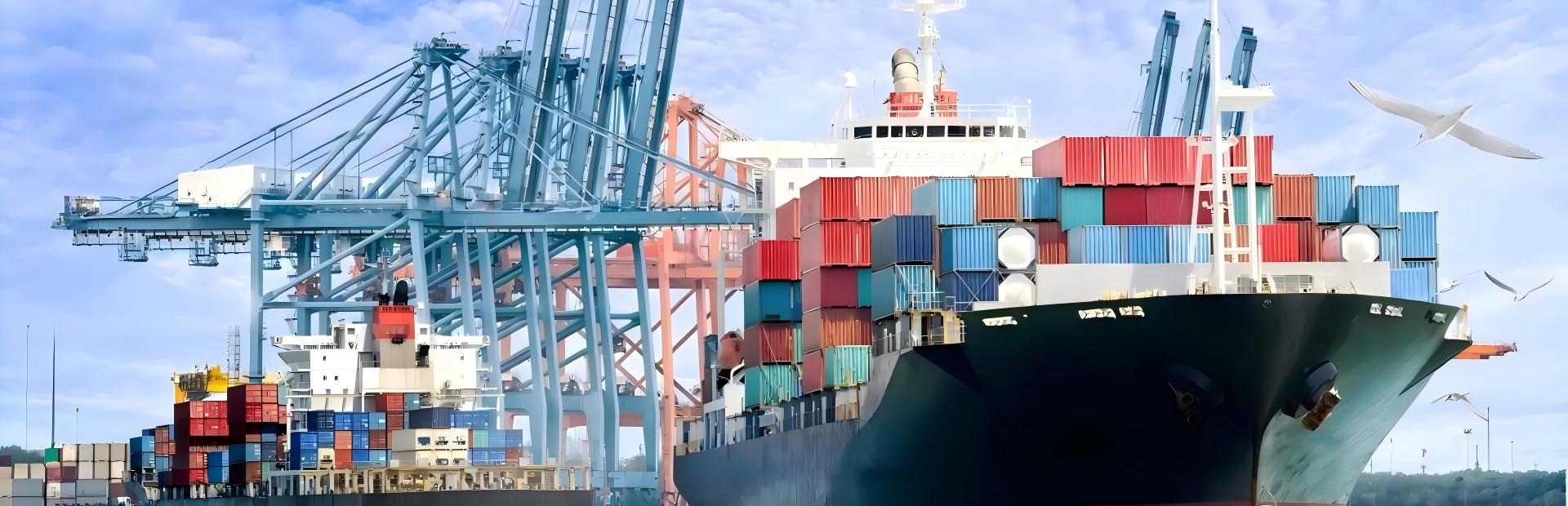
For companies importing products from China to Canada, choosing the right shipping method directly affects logistics costs, customs efficiency, and supply chain stability.
Canada ddp shipping and traditional import shipping represent two different approaches to international transportation. Traditional shipping requires importers to manage more procedures, while DDP shipping provides a more integrated solution covering transportation, customs clearance, duties, and final delivery.
For companies sourcing products from China, understanding the difference between these two methods helps improve cost control and reduce import risks.
WANHAO provides China to Canada DDP shipping solutions, including sea freight, air freight, customs clearance coordination, warehouse delivery, and door-to-door logistics services. By combining China export experience with Canada import support, WANHAO helps create smoother cross-border logistics processes.
DDP means Delivered Duty Paid. Under DDP terms, the seller or logistics provider takes responsibility for transportation, import clearance, duties, and delivery to the agreed destination.
According to Incoterms rules, DDP is the only trade term where the seller is responsible for import clearance and payment of applicable duties and taxes in the destination country. The typical Canada DDP shipping process includes:
Factory Pickup In China
↓
Export Customs Clearance
↓
International Transportation
↓
Canada Customs Clearance
↓
Duty And Tax Handling
↓
Final Delivery
This creates a complete door-to-door logistics solution.
Traditional import shipping usually means the importer manages more parts of the transportation process.
The process may involve:
China Supplier
↓
Freight Forwarder
↓
Ocean Or Air Transportation
↓
Canada Customs Clearance
↓
Local Transportation
Under traditional shipping methods, importers may need to arrange:
Customs brokers
Duty payment
Local trucking
Warehouse receiving
Documentation management
This approach can provide more control but requires stronger logistics knowledge.
| Comparison | Canada DDP Shipping | Traditional Import Shipping |
|---|---|---|
| Customs Clearance | Managed by logistics provider | Managed by importer |
| Duty Payment | Included in service | Importer handles separately |
| Cost Visibility | More predictable | May have additional charges |
| Communication | Single logistics contact | Multiple service providers |
| Management Effort | Lower | Higher |
Customs clearance is one of the biggest differences between DDP and traditional shipping.
Canada imports require accurate information including:
Product description
HS code
Declared value
Commercial invoice
Packing details
The Canada Border Services Agency requires import declarations and applicable duties or taxes to be properly handled based on the imported goods.
With traditional shipping:
Importer communicates with customs broker
Importer prepares clearance information
Importer handles duty payment
With DDP shipping:
Logistics provider coordinates customs procedures
Import requirements are managed before delivery
Importer receives cargo after clearance
This reduces operational complexity.
Import costs are not limited to freight charges.
A complete import cost may include:
| Cost Item | Traditional Shipping | DDP Shipping |
|---|---|---|
| ocean freight | Separate | Included |
| Customs Clearance | Additional arrangement | Managed |
| Duty And Tax | Paid by importer | Included |
| Local Delivery | Separate | Included |
| Cost Forecasting | More difficult | Easier |
Canada import taxes and duties depend on product category, origin, and customs classification. The Canada Border Services Agency notes that duty rates vary according to the type of goods being imported and their country of origin.
DDP shipping provides better visibility because more costs are included before shipment.
Traditional import shipping requires coordination between multiple parties:
Factory
Freight forwarder
Customs broker
Carrier
Local transportation company
This can create communication challenges.
DDP shipping simplifies the process by using one logistics partner.
The service usually covers:
Including:
Factory pickup
Export documents
Cargo preparation
Including:
Sea freight
Air freight
Route management
Including:
Customs coordination
Local transportation
Final delivery
This structure helps reduce communication delays.
For large-volume shipments, logistics planning becomes more important.
Before shipping, companies should confirm:
| Information | Purpose |
|---|---|
| Product Quantity | Select shipping method |
| Cargo Volume | Calculate freight space |
| Packaging Size | Optimize loading |
| Destination | Arrange delivery route |
| Delivery Schedule | Plan inventory |
DDP shipping is especially suitable for:
Bulk supply projects
Regular inventory shipments
Factory-direct imports
Long-term supply chains
For OEM and ODM projects, shipping planning should match the manufacturing process.
The complete process includes:
Product Design Confirmation
↓
Production
↓
Quality Inspection
↓
Packaging
↓
Export Shipping
↓
Canada Delivery
A professional logistics provider should understand:
Production completion timing
Packaging requirements
Cargo specifications
Delivery deadlines
This helps prevent situations where products are ready but transportation arrangements are delayed.
The supply chain structure affects logistics coordination.
A manufacturer usually manages:
Product specifications
Production schedule
Packaging details
Quality standards
A trader usually manages:
Supplier communication
Product sourcing
A freight forwarder manages:
Transportation
Customs procedures
Delivery solutions
For direct factory shipments, a logistics partner with manufacturing-side experience can communicate more efficiently with suppliers.
Reliable DDP shipping includes quality checkpoints throughout transportation.
Check:
Product quantity
Packaging condition
Shipping documents
Monitor:
Vessel schedule
Shipment location
Customs progress
Confirm:
Customs release
Warehouse arrangement
Delivery details
These steps help reduce transportation risks.
Different products require different import preparation.
Important considerations include:
Product materials
Safety requirements
Label information
Import regulations
Accurate product information helps with:
Correct HS classification
Smooth customs clearance
Reduced inspection risks
A professional shipping provider helps review shipment details before departure.
DDP shipping can be combined with different transportation methods.
| Shipping Method | Suitable For | Advantage |
|---|---|---|
| Sea Freight DDP | Large cargo | Lower transportation cost |
| Air Freight DDP | Urgent cargo | Faster delivery |
Sea freight is commonly selected for bulk shipments because of better cost efficiency, while air freight is used when delivery speed is more important.
WANHAO provides complete China to Canada DDP shipping solutions, including:
Factory pickup
Sea freight
Air freight
Export customs support
Canada customs coordination
Warehouse delivery
Door-to-door transportation
With experience in China export logistics and international shipping management, WANHAO helps companies simplify import procedures and improve supply chain reliability.
The main difference between Canada DDP shipping and traditional import shipping is the level of logistics responsibility.
Traditional shipping provides more direct control but requires more import management.
Canada DDP shipping provides:
Simplified customs handling
Better cost visibility
Reduced communication complexity
Door-to-door delivery support
For companies importing products from China, choosing the right shipping model helps reduce risks and create a more efficient Canada supply chain.