
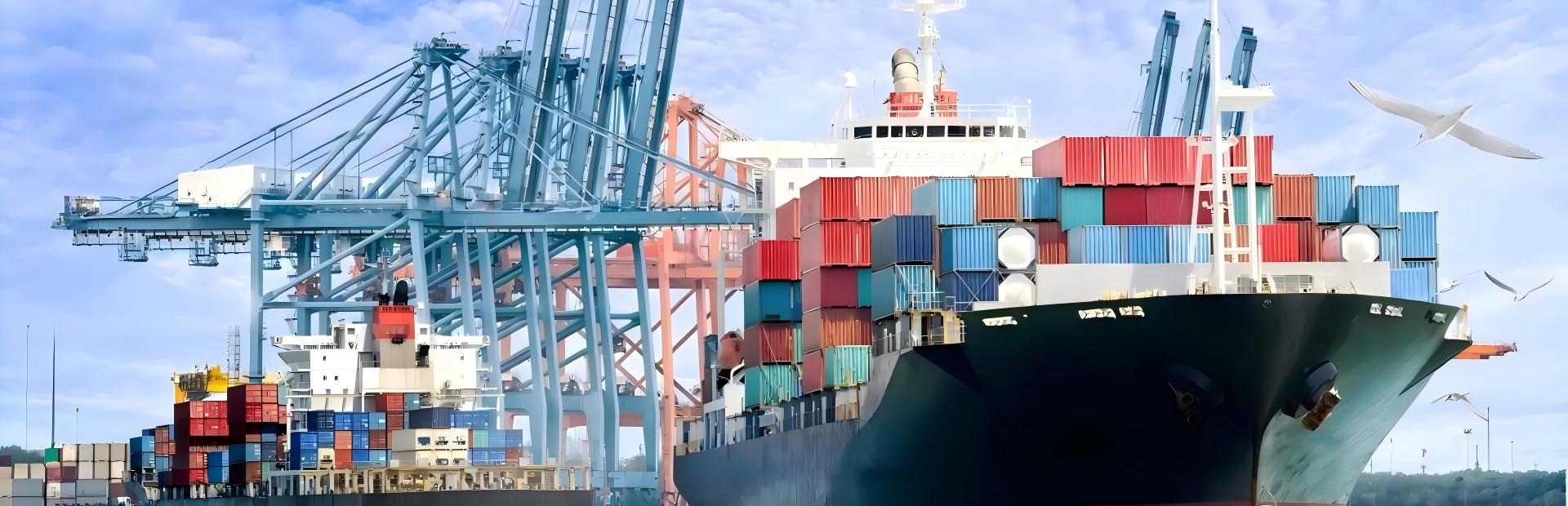
When shipping goods from China to the United States, choosing between warehouse delivery and port delivery can directly affect transportation efficiency, customs management, inventory control, and overall logistics costs.
Port delivery is a traditional international shipping method where cargo arrives at a US port, and the importer arranges the next transportation steps. Warehouse delivery provides a more complete solution by moving goods from the factory in China to a designated warehouse or final location in the USA.
For companies managing international supply chains, the better choice depends on shipment volume, customs experience, inventory requirements, and delivery goals.
WANHAO specializes in China to USA shipping solutions, including USA DDP shipping, ocean freight, air freight, customs clearance, warehouse consolidation, and door-to-door delivery. With China export experience and USA logistics resources, WANHAO helps simplify the complete transportation process from factory pickup to final delivery. (WANHAO)
Port delivery means the cargo is transported from a Chinese factory to a US destination port.
The typical process is:
China Factory → Export Customs → Ocean Freight → USA Port → Importer Arranges Local Delivery
Under port delivery, the importer is usually responsible for:
Customs clearance
Duty payment
Trucking arrangement
Warehouse coordination
Final transportation
Port delivery is commonly selected by companies with their own logistics teams or established local transportation networks.
Warehouse delivery provides a more integrated logistics solution.
The process usually includes:
China Factory → Export Clearance → International Shipping → USA Customs → Warehouse Receiving → Final Distribution
A warehouse delivery service may include:
Cargo unloading
Temporary storage
Inventory management
Product inspection
Consolidation
Local transportation arrangement
This option provides more control over the final stage of the supply chain.
| Comparison | Warehouse Delivery | Port Delivery |
|---|---|---|
| Customs Support | Usually Included | Usually Managed Separately |
| Storage Service | Available | Limited |
| Final Delivery | Coordinated | Importer Arranges |
| Inventory Management | Available | Usually Not Included |
| Operation Complexity | Lower | Higher |
| Suitable For | Flexible supply chains | Experienced importers |
The main difference is responsibility after cargo arrives in the USA.
Transportation cost is not the only factor when comparing these two methods.
Usually include:
Ocean freight
Export charges
Port handling fees
Additional costs may include:
Customs broker fees
Trucking charges
Warehouse transfer fees
Usually include:
Ocean freight
Customs coordination
Warehouse handling
Local transportation
Comparison:
| Cost Factor | Warehouse Delivery | Port Delivery |
|---|---|---|
| Ocean Freight | Included | Included |
| Customs Service | Available | Separate Arrangement |
| Storage | Available | Extra Cost |
| Local Delivery | Coordinated | Buyer Arranges |
| Cost Visibility | Higher | Lower |
Although warehouse delivery may have a higher initial quotation, it can reduce unexpected expenses by combining multiple logistics services.
Port delivery can be suitable for companies that already have strong logistics capabilities.
Advantages include:
Companies can choose:
Their own trucking providers
Local warehouses
Distribution networks
Because fewer services are included, the initial shipping quote may appear lower.
Companies with experienced logistics departments may already have systems for:
Customs clearance
Container pickup
Warehouse management
For example, large-volume importers with established US operations may prefer direct port delivery.
Warehouse delivery is suitable for companies that need a complete logistics solution.
Benefits include:
Instead of coordinating multiple service providers, warehouse delivery combines:
Transportation
Customs clearance
Storage
Distribution
Warehouses allow companies to:
Store products temporarily
Consolidate shipments
Arrange deliveries according to demand
A professional logistics provider manages more steps after the cargo arrives in the USA.
WANHAO provides warehouse and logistics coordination services to help improve China-US supply chain efficiency. (WANHAO)
DDP shipping is often combined with warehouse delivery solutions.
Under China to USA DDP shipping, the logistics provider manages:
Export procedures
International freight
USA customs clearance
Import duties
Final transportation
The complete process becomes:
Factory Pickup → Shipping → Customs Clearance → Warehouse → Final Delivery
Comparison:
| Shipping Solution | Responsibility |
|---|---|
| Port Delivery | Importer manages post-arrival process |
| DDP Warehouse Delivery | Freight provider manages more steps |
For companies seeking predictable logistics costs, DDP warehouse delivery can provide better cost transparency.
Sea freight is the most common transportation method for bulk shipments from China to the USA.
The total process includes:
Factory Loading → container shipping → US Port Arrival → Customs Clearance → Warehouse Delivery
Ocean transportation time varies depending on route and destination. Industry shipping data shows China-US sea freight schedules commonly range from several weeks depending on ports, service type, and final destination.
For large shipments, warehouse delivery helps improve:
Inventory planning
Product availability
Distribution flexibility
Large-volume shipments require careful planning.
Before choosing warehouse delivery, companies should evaluate:
| Factor | Importance |
|---|---|
| Cargo Volume | Determines storage requirements |
| Product Type | Affects handling methods |
| Delivery Frequency | Controls inventory planning |
| Warehouse Location | Influences local delivery cost |
| Sales Demand | Determines stock levels |
Warehouse solutions are especially useful when products need staged distribution instead of immediate delivery.
Customs management is an important difference.
The importer usually handles:
Customs broker selection
Import documents
Duty payment
Cargo release
The logistics provider may coordinate:
Customs documentation
Clearance procedures
Cargo transfer
Warehouse receiving
US Customs and Border Protection requires importers to provide accurate information regarding product classification, value, and documentation. Proper customs management helps reduce clearance delays.
In international supply chains, logistics capability is as important as product sourcing.
A manufacturer focuses on:
Production
Quality control
Packaging preparation
A trader focuses on:
Supplier coordination
Product purchasing
A freight forwarder focuses on:
Transportation planning
Customs management
Warehouse solutions
Final delivery
A logistics partner with China-US experience can help connect factory production with overseas distribution.
Warehouse delivery provides additional checkpoints after international transportation.
Important checkpoints include:
Product quantity confirmation
Packaging inspection
Document verification
Cargo receiving inspection
Inventory counting
Storage arrangement
Order confirmation
Packaging check
Transportation scheduling
These steps help reduce errors during the distribution process.
Successful China to USA shipping requires proper compliance management.
Important documents include:
Commercial invoice
Packing list
Bill of lading
Certificate of origin
HS code information
Incorrect documentation may lead to:
Customs delays
Additional inspection
Increased costs
Professional freight forwarders help review shipment information before departure.
WANHAO provides integrated logistics services including:
China to USA freight forwarding
Ocean freight
Air freight
USA DDP shipping
Customs clearance coordination
Warehouse solutions
Door-to-door delivery
By combining transportation management, customs support, and warehouse coordination, WANHAO helps create more stable cross-border supply chains.
The choice between China to USA warehouse delivery and port delivery depends on logistics capability, shipment volume, and supply chain requirements.
Port delivery is suitable for companies with strong local logistics resources.
Warehouse delivery is suitable for companies seeking:
Easier supply chain management
Better inventory flexibility
Integrated logistics support
More predictable transportation processes
For international shipments from China to the USA, selecting the right delivery method helps improve efficiency, reduce risks, and create a more reliable supply chain.
WANHAO combines China export experience with USA logistics capabilities to provide flexible shipping solutions from factory pickup to final delivery.