
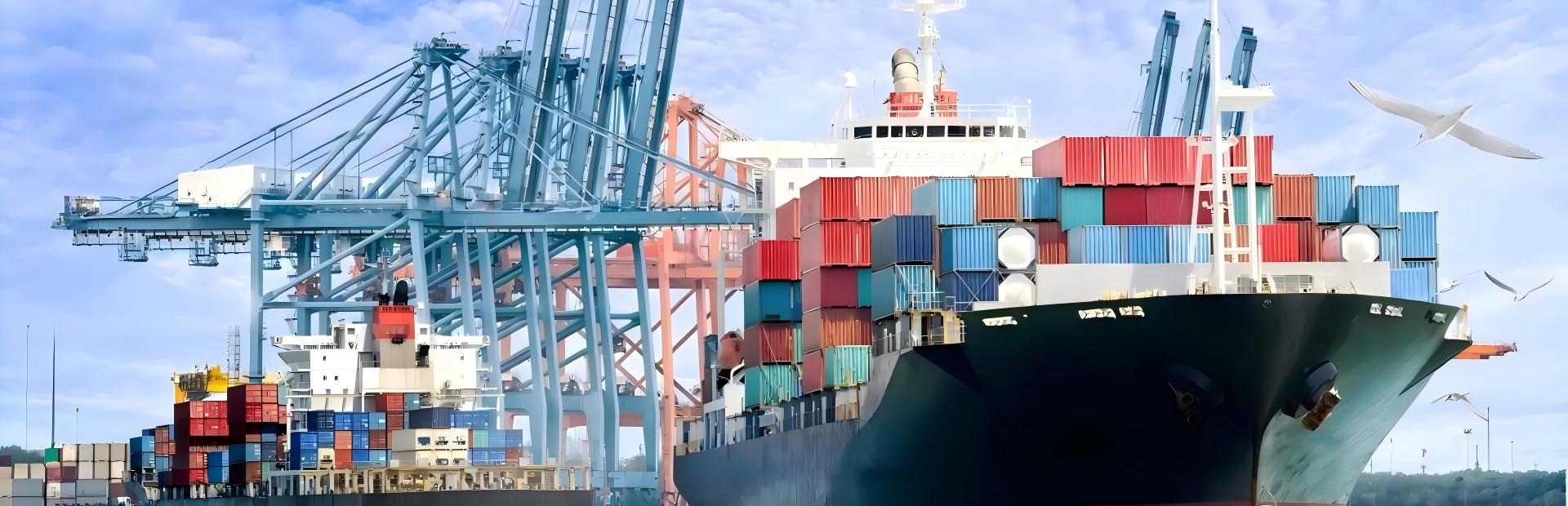
Importing products into the United States involves more than arranging international transportation. Every shipment must meet US customs requirements, including product classification, documentation, customs declaration, duty calculation, and compliance procedures.
For companies shipping products from China to the USA, understanding USA import customs rules can help reduce delays, unexpected costs, and compliance risks.
WANHAO specializes in China to USA shipping solutions, including DDP shipping, ocean freight, air freight, customs clearance, warehouse consolidation, and door-to-door delivery. By combining China export experience with USA logistics support, WANHAO helps simplify international transportation from supplier pickup to final destination. (wanhaologistic.com)
The US Customs and Border Protection agency requires importers to provide accurate information about imported goods, including classification, value, and origin. Importers are ultimately responsible for ensuring their shipments comply with US regulations.
US Customs and Border Protection, commonly known as CBP, is responsible for controlling goods entering the United States.
The customs process mainly focuses on:
Product classification
Import documentation
Cargo inspection
Duty assessment
Compliance verification
A typical China to USA import process includes:
| Stage | Main Responsibility |
|---|---|
| Factory Preparation | Product information and documents |
| Export Clearance | China customs procedures |
| International Shipping | Sea or air transportation |
| US Customs Entry | CBP declaration |
| Duty Payment | Import tax settlement |
| Final Delivery | Warehouse or destination delivery |
A professional freight forwarder helps coordinate these steps to reduce communication problems between suppliers, carriers, customs brokers, and delivery providers.
One of the most important USA import customs rules is understanding the role of the Importer of Record.
The Importer of Record is responsible for:
Providing accurate shipment information
Declaring product value
Selecting correct tariff classification
Paying applicable duties and fees
Ensuring compliance with regulations
CBP requires the importer or an authorized agent to submit the necessary documentation for goods entering the United States.
Importer identification usually requires an importer number, which may be an IRS business identification number, Social Security number, or a CBP-assigned importer number.
Correct product classification is one of the most important steps in US customs clearance.
Every imported product requires a Harmonized Tariff Schedule code, also known as an HTS code.
The HS code determines:
Applicable duty rate
Import requirements
Special restrictions
Required documentation
Incorrect classification may result in:
Customs delays
Additional inspections
Duty adjustments
Compliance problems
Before shipping, companies should prepare:
| Required Information | Purpose |
|---|---|
| Product Description | Identify goods accurately |
| Material Information | Support classification |
| Product Usage | Determine regulations |
| Country Of Origin | Confirm import requirements |
| Commercial Value | Calculate duties |
CBP recommends importers provide complete product descriptions and accurate classification information before importing goods.
A commercial invoice is one of the most important documents for US imports.
A complete invoice usually includes:
Seller information
Buyer information
Product description
Quantity
Unit price
Total value
Country of origin
HS code information
The information on the invoice must accurately represent the shipment.
Incorrect values or descriptions may create customs issues because CBP uses shipment documentation to evaluate import compliance.
Import duties are calculated based on several factors:
Product classification
Declared value
Country of origin
Applicable trade regulations
The final landed cost may include:
| Cost Item | Description |
|---|---|
| International Freight | Transportation from China |
| Customs Duty | Government import charge |
| Customs Broker Fee | Clearance service cost |
| Port Handling | Cargo processing fees |
| Local Delivery | Final transportation |
Understanding these costs before shipment helps companies create better pricing and inventory plans.
This is one reason many companies choose China to USA DDP shipping, where freight providers manage transportation, customs coordination, duties, and final delivery.
The US customs system has different entry procedures depending on shipment value and cargo type.
Commercial shipments generally require formal customs entry procedures.
According to CBP guidance, formal entry is usually required for commercial imports valued above $2,500. Importers need to provide documents such as invoices, packing lists, shipping documents, and entry information.
| Entry Type | Typical Situation |
|---|---|
| Informal Entry | Lower-value shipments |
| Formal Entry | Commercial shipments |
| Special Entry | Regulated products |
Understanding entry requirements helps avoid unexpected clearance problems.
Not all products have the same import requirements.
Depending on the product category, shipments may need to comply with regulations from different agencies.
Examples include:
FDA requirements
EPA requirements
DOT regulations
CPSC standards
USDA requirements
CBP states that importers must ensure their products comply with applicable requirements from other government agencies when necessary.
Before shipping, companies should confirm:
Product category
Required certifications
Testing requirements
Labeling requirements
Many importers confuse customs brokers and freight forwarders.
Although both support international shipping, their roles are different.
| Comparison | Freight Forwarder | Customs Broker |
|---|---|---|
| Main Function | Transportation management | Customs clearance |
| Ocean Freight | Yes | Usually No |
| Air Freight | Yes | Usually No |
| Import Declaration | Coordinates | Handles |
| Delivery Arrangement | Yes | Limited |
A freight forwarder manages the overall logistics process, while a customs broker specializes in customs entry procedures.
Many professional logistics providers combine both capabilities or work with licensed customs partners.
CBP explains that customs brokers can help importers handle paperwork and customs procedures, although the importer remains responsible for compliance.
For companies without extensive import experience, DDP shipping can simplify the process.
Under China to USA DDP shipping, the logistics provider manages:
Export clearance in China
International transportation
US customs coordination
Duty handling
Final delivery
Comparison:
| Traditional Shipping | DDP Shipping |
|---|---|
| Importer manages customs | Logistics provider coordinates customs |
| Multiple service providers | One integrated solution |
| More operational work | Simplified process |
| Variable costs | Easier cost planning |
WANHAO provides China to USA DDP solutions designed to support door-to-door transportation and reduce import complexity. (wanhaologistic.com)
When importing products, logistics capability is just as important as product sourcing.
A trading company mainly focuses on:
Product purchasing
Supplier communication
Order coordination
A professional logistics provider focuses on:
Transportation planning
Customs procedures
Documentation management
Delivery control
For international shipments, choosing a logistics partner with direct China-US transportation experience helps improve shipment reliability.
WANHAO manages China export procedures, international transportation, US customs coordination, and final delivery solutions.
Before arranging a large shipment, prepare the following information:
| Checklist Item | Importance |
|---|---|
| Product Name | Supports classification |
| HS Code | Determines duty |
| Cargo Weight | Calculates freight |
| Carton Size | Plans transportation |
| Shipping Terms | Defines responsibilities |
| Destination | Determines delivery method |
| Required Date | Selects shipping option |
Accurate shipment information allows freight providers to create more reliable solutions.
Customs compliance is only one part of successful international shipping.
A reliable logistics process should include:
Document verification
Cargo information confirmation
Packaging inspection
Shipment tracking
Schedule monitoring
Communication updates
Customs status confirmation
Delivery coordination
Cargo receipt confirmation
Good logistics management reduces risks throughout the supply chain.
Before shipping products from China to the USA, companies should confirm:
✓ Correct HS code ✓ Accurate commercial invoice ✓ Complete packing list ✓ Correct country of origin information ✓ Required product certifications ✓ Proper customs declaration
Following these steps helps reduce customs delays and unexpected expenses.
WANHAO provides integrated international logistics solutions including:
China to USA DDP shipping
Ocean freight
Air freight
Customs clearance support
Warehouse consolidation
Door-to-door delivery
Amazon FBA logistics solutions
With professional China-US logistics experience, WANHAO helps companies manage transportation from factory pickup in China to final delivery in the United States.
Successful China to USA shipping requires more than selecting a transportation method. Importers need accurate documentation, correct product classification, reliable customs coordination, and professional logistics support.
Understanding USA import customs rules helps reduce risks related to:
Clearance delays
Incorrect declarations
Unexpected costs
Compliance problems
A reliable China to USA freight forwarder can help manage the complete process, making international shipping more predictable and efficient.
WANHAO combines China export experience with USA logistics capability to provide complete freight forwarding solutions for different transportation requirements.