
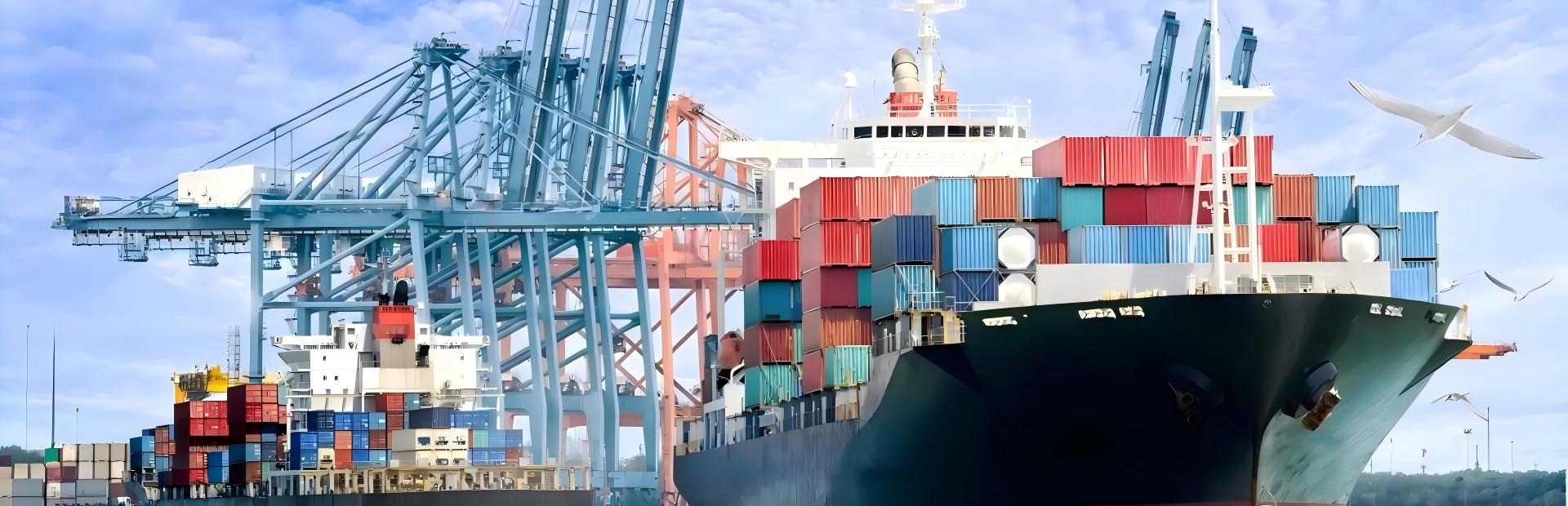
customs clearance time is one of the most important factors affecting international shipping schedules. When goods arrive at a destination country, they cannot continue delivery until customs authorities complete document review, compliance checks, and shipment approval.
Many companies ask: How long do customs clearance take?
The answer depends on multiple factors, including shipment type, destination country, product category, documentation accuracy, customs workload, and whether additional inspection is required.
According to the World Customs Organization, customs efficiency is a key factor in international trade performance. Digital customs systems and accurate shipment information have helped many countries reduce border processing time, but clearance speed still varies depending on shipment conditions.
In general, customs clearance can take from several hours to several days.
| Shipment Situation | Typical Clearance Time |
|---|---|
| Complete documents and standard products | 1–3 business days |
| Express shipments | Same day to several days |
| Shipments requiring inspection | Several days or longer |
| Missing documentation | Additional processing time |
| Complex regulated products | Longer review period |
The actual clearance time depends on whether customs authorities require additional information or inspection.
Several factors determine how quickly goods can be released.
Complete and accurate documents are the foundation of fast customs clearance.
Important documents include:
Commercial invoice
Packing list
Bill of lading
Air waybill
Product description
Certificate of origin
Compliance documents
Incorrect information can result in customs requests for clarification, which may delay shipment release.
Common documentation problems include:
Incorrect product descriptions
Missing documents
Wrong declared value
Inconsistent shipment details
Professional logistics providers review documents before submission to reduce unnecessary delays.
HS code classification plays an important role in customs processing.
Customs authorities use HS codes to determine:
Import duties
Tax requirements
Product regulations
Inspection procedures
An incorrect HS code may cause additional review or require classification confirmation.
For international shipments, accurate product information helps customs authorities process declarations more efficiently.
Different products have different customs requirements.
Some categories may require additional review, including:
Medical equipment
Electronics
Food-related products
Industrial machinery
Chemical products
Additional requirements may include:
Safety certifications
Testing reports
Import permits
Regulatory documents
Proper preparation before shipping helps reduce clearance delays.
Not every shipment requires physical inspection. Customs authorities usually use risk assessment systems to select shipments for inspection.
Possible inspection factors include:
| Factor | Impact |
|---|---|
| Product category | Determines inspection requirements |
| Shipment value | May influence review level |
| Documentation accuracy | Affects clearance confidence |
| Import history | Influences risk assessment |
If inspection is required, clearance time may increase depending on inspection complexity.
Different transportation methods have different clearance characteristics.
| Shipping Method | Clearance Characteristics |
|---|---|
| Express shipping | Usually faster processing |
| Air freight | Suitable for urgent cargo |
| Sea freight | Requires more planning time |
| ddp shipping | Simplifies customs coordination |
For large commercial shipments, transportation planning and customs preparation are especially important.
Wanhao Logistics provides China-to-USA logistics solutions, including DDP door-to-door shipping services that support transportation management, customs coordination, duty handling, and final delivery.
Companies can reduce customs processing time through proper preparation.
Complete documentation allows customs authorities to review shipments faster.
Correct classification reduces unnecessary customs questions.
Clear product information helps customs officers understand the shipment.
Professional logistics providers understand customs procedures and can coordinate solutions when problems occur.
DDP shipping provides a more complete logistics solution because customs clearance responsibilities are managed by the seller or logistics provider.
Comparison:
| Shipping Term | Customs Responsibility |
|---|---|
| DDP | Seller or logistics provider handles clearance |
| DAP | Buyer handles import clearance |
| CIF | Buyer handles destination procedures |
| FOB | Buyer manages import process |
For companies looking for predictable delivery processes, DDP can reduce communication complexity and improve shipment control.
Customs clearance requires coordination between multiple parties, including exporters, carriers, customs authorities, and local delivery networks.
Professional logistics support includes:
Document verification
Customs declaration
Shipment tracking
Compliance management
Delivery coordination
Wanhao Logistics specializes in China-to-USA transportation solutions, offering sea freight, air freight, consolidation services, customs support, and DDP logistics solutions. With experience in international shipping operations, Wanhao helps simplify customs procedures and improve supply chain reliability.
Before shipping internationally, review these factors:
| Evaluation Area | Key Questions |
|---|---|
| Documents | Are all required files prepared? |
| Product classification | Is the HS code accurate? |
| Compliance | Are regulations understood? |
| Shipping method | Is transportation suitable? |
| Logistics support | Is customs coordination available? |
Proper preparation is one of the most effective ways to reduce customs clearance time.
Global trade depends on efficient customs procedures and reliable logistics coordination. According to the World Trade Organization, trade facilitation improvements, including better customs management, help reduce international supply chain barriers.
An experienced logistics partner should provide:
Export compliance support
Customs management
Freight coordination
Shipment monitoring
Final delivery planning
Understanding how long do customs clearance take helps companies plan international shipments more effectively. Customs clearance usually takes one to three business days for shipments with complete documentation, but delays may occur due to inspections, missing information, or compliance requirements. Accurate preparation and professional logistics support help create faster and more reliable cross-border transportation.