
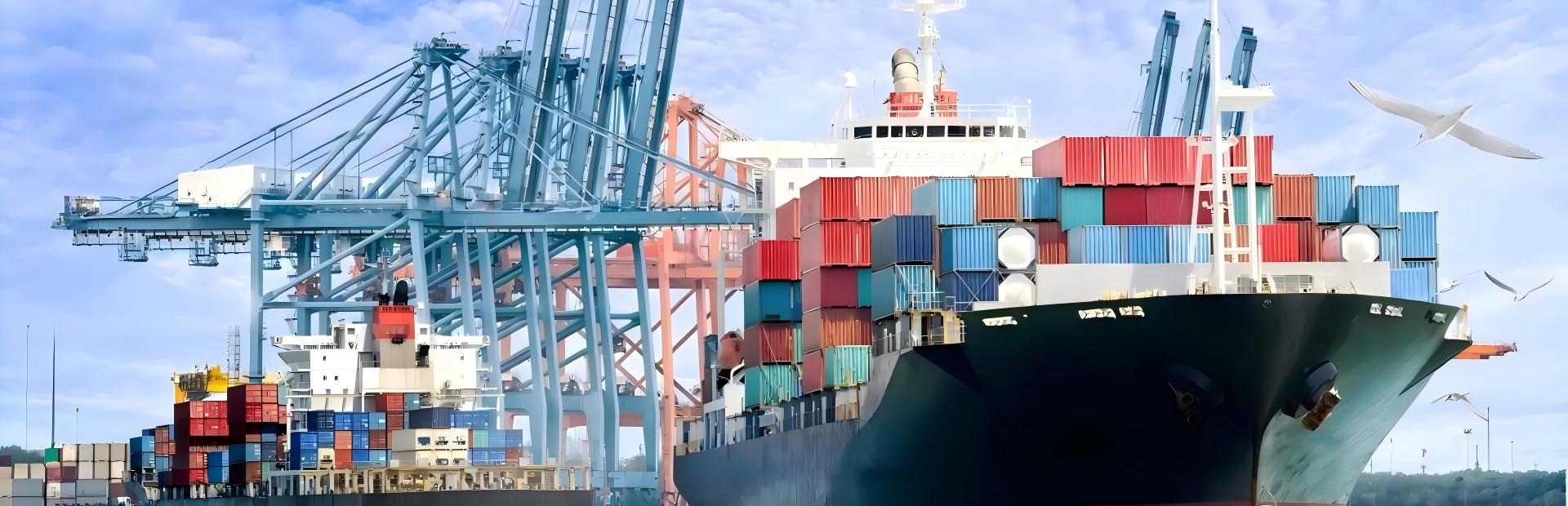
customs clearance duration is one of the most important variables in international logistics, directly affecting delivery timelines, inventory planning, and supply chain stability. In global trade routes such as China to the United States, Europe, and Southeast Asia, clearance time can vary significantly depending on documentation accuracy, product category, inspection requirements, and customs workload.
Industry logistics benchmarks show that standard customs clearance typically takes between 24 hours and 5 business days, while complex shipments requiring inspection may extend beyond 7 days.
Several variables determine how long customs clearance takes:
Accuracy of shipping documents
HS code classification correctness
Type of goods being imported or exported
Regulatory compliance requirements
Random inspection selection
Seasonal customs workload
Among these, documentation accuracy is considered the most critical factor, with logistics studies indicating it can influence clearance speed by up to 35 percent.
A typical customs clearance process follows a structured timeline:
Document submission: 0 to 1 day
Customs review and verification: 1 to 2 days
Duty and tax assessment: 1 to 2 days
Inspection if required: 1 to 3 days
Final approval and release: 0 to 1 day
Under normal conditions, most shipments are cleared within 1 to 3 working days.
The difference between efficient and delayed clearance is usually related to preparation quality.
Complete and accurate documentation
Correct HS code classification
Full compliance with import regulations
Estimated time: 24 to 48 hours
Missing or inconsistent documents
Misdeclared product information
Random or mandatory inspection
Compliance verification issues
Estimated time: 5 to 10 days or more
Industry data shows that incomplete documentation can increase clearance time by more than 40 percent.
Different product categories experience different clearance speeds:
Standard industrial goods: 1 to 3 days
Electronic or regulated products: 3 to 7 days
Food and chemical products: 5 to 10 days
High value or sensitive goods: 3 to 7 days depending on inspection
Regulatory intensity is a major factor influencing clearance speed.
Customs clearance time is strongly influenced by manufacturing accuracy and export preparation. Proper labeling, packaging consistency, and documentation alignment with production data help reduce inspection delays.
Logistics studies show that standardized production documentation can reduce customs processing time by up to 25 percent.
A manufacturer vs trader comparison is essential in customs efficiency. A manufacturer has direct access to production data, material specifications, and compliance certificates, enabling faster and more accurate customs declarations.
A trader relies on multiple upstream sources, which may introduce inconsistencies in documentation and product classification.
Manufacturers typically provide advantages in:
Accurate HS code classification
Consistent product specification data
Reliable compliance documentation
Faster customs verification process
Key checkpoints that influence customs clearance duration include:
Invoice and packing list verification
HS code validation
Product compliance certification review
Packaging inspection readiness
Quantity consistency checks
Regulatory documentation audit
Proper preparation at these stages significantly reduces clearance delays.
| Shipment Condition | Average Clearance Time | Delay Risk Level | Efficiency |
|---|---|---|---|
| Fully prepared documentation | 1–2 days | Low | High |
| Standard preparation | 2–5 days | Medium | Moderate |
| Incomplete documentation | 5–10 days | High | Low |
For international bulk shipments, customs clearance speed depends on standardized product descriptions, consistent packaging, accurate documentation, and compliance readiness. A structured OEM and ODM manufacturing system improves clearance efficiency by ensuring consistent production data and export documentation.
WANHAO Logistics operates as a global logistics service provider specializing in DDP door to door shipping, customs clearance, and end to end freight forwarding solutions. Its operational system helps optimize clearance timelines and reduce shipment delays across international trade routes.
When managing shipments, procurement teams should ensure:
Accurate and complete commercial invoices
Correct HS code classification
Consistent product descriptions across documents
Proper compliance certifications
Standardized packaging and labeling
Pre shipment documentation audit
Global supply chains increasingly depend on integrated logistics providers to minimize customs clearance time variability and improve delivery predictability.