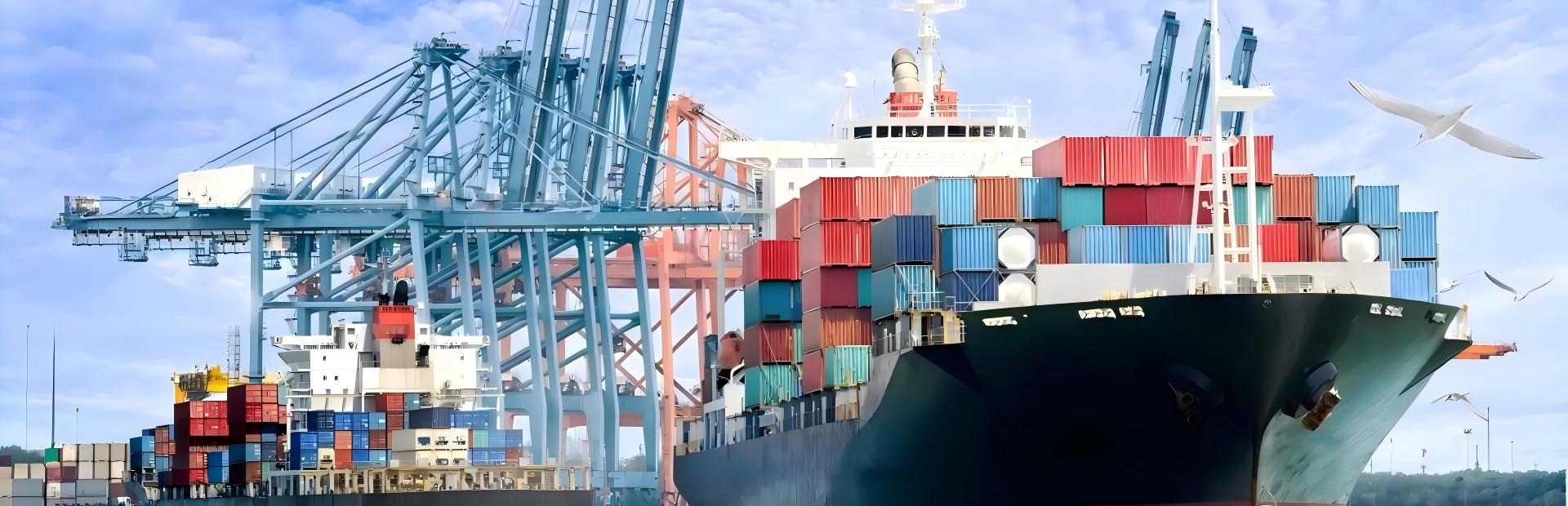
Rather than simply booking transportation, modern freight forwarders manage the full logistics process and help shippers reduce risk, control cost, and maintain delivery reliability.
Understanding how shipping rates affect importers helps businesses make better decisions, reduce risk, and build more resilient international logistics structures.
Choosing between ocean freight and air freight is one of the most important logistics decisions for international shippers. The choice directly affects transportation cost, delivery speed, inventory planning, and overall supply chain stability.
In global e-commerce fulfillment, FBA logistics has moved far beyond simple freight booking and delivery coordination. As market competition becomes more sensitive to delivery reliability, stock availability, and overall landed cost, integrated FBA logistics is increasingly viewed as the most stable and scalable approach.
For cross-border sellers, logistics cost and delivery speed are two factors that often seem to conflict with each other. Faster delivery usually means higher transportation expenses, while lower-cost options may result in delays, inventory shortages, or operational risk.