
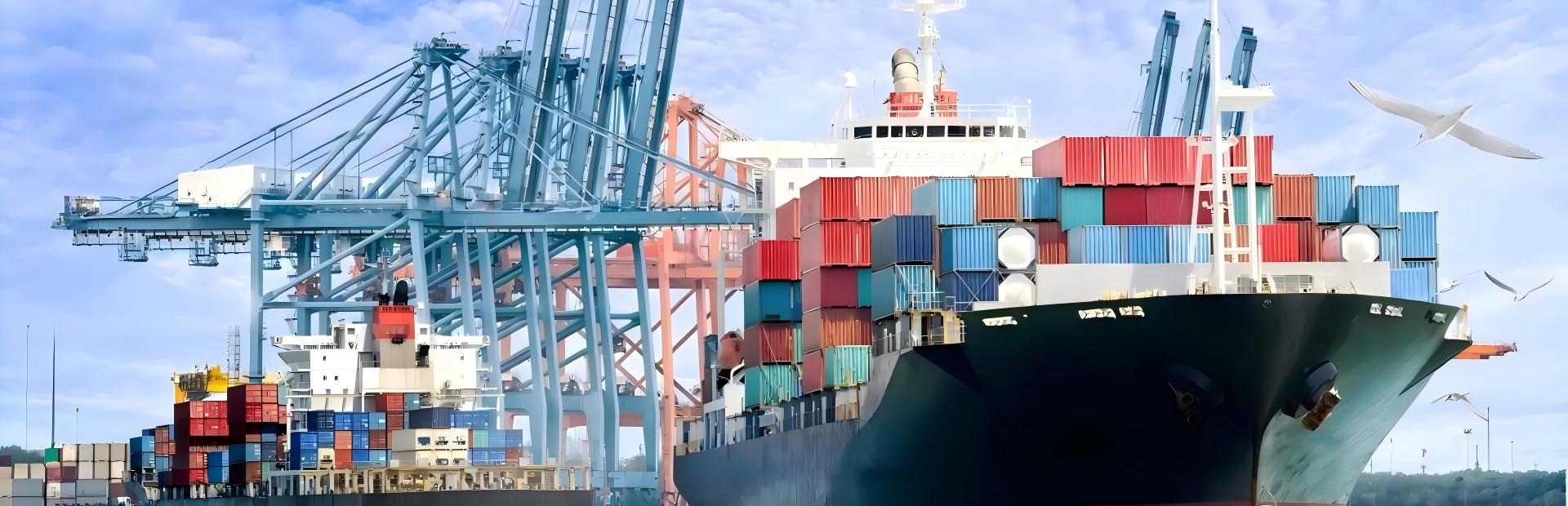
Freight delays at major ports are a common challenge in international shipping and can significantly disrupt supply chains. For importers, exporters, and global sellers, port delays affect delivery schedules, inventory availability, transportation costs, and overall business reliability. While delays may appear sudden, they are usually caused by a combination of structural, operational, and planning-related factors.
Understanding the root causes of port congestion and delays helps businesses reduce risk and build more predictable logistics strategies.
One of the most frequent causes of freight delays is port congestion. Major ports handle massive cargo volumes, and when vessel arrivals exceed handling capacity, containers begin to accumulate.
Limited berth availability, yard space constraints, and equipment shortages can slow down loading and unloading operations. During peak seasons, congestion can extend vessel waiting times, delay container discharge, and increase dwell time at terminals.
Even ports with advanced infrastructure can experience congestion when volume surges exceed operational limits.
Port operations depend heavily on skilled labor. Labor shortages, shift limitations, or operational disruptions can significantly reduce handling efficiency.
In some cases, labor actions or workforce scheduling constraints slow terminal productivity, creating backlogs that affect vessel turnaround time. Reduced operating hours or lower crane productivity directly translate into longer waiting periods for cargo.
These disruptions often have a cascading effect across multiple ports and shipping routes.
Shipping schedules are designed for efficiency, but unexpected changes can cause vessels to arrive simultaneously instead of evenly spaced. This phenomenon, known as vessel bunching, overwhelms port resources.
Weather disruptions, upstream delays, or route adjustments can push multiple vessels into the same arrival window. When this happens, ports struggle to maintain normal processing speed, leading to longer queues and delayed cargo release.
Schedule instability is one of the less visible but highly impactful causes of port delays.
Customs clearance is a critical stage that can extend freight delays if not managed properly. Increased inspection rates, documentation discrepancies, or regulatory changes can slow clearance processes.
Even when vessels arrive on time, containers may be held for additional checks, missing paperwork, or verification procedures. These holds increase port dwell time and delay onward transportation.
Proper documentation preparation and compliance planning are essential to minimizing customs-related delays.
WANHAO Logistics supports structured customs coordination to help reduce clearance risks and improve cargo release efficiency.
Port operations do not end at the terminal gate. Inland transportation capacity plays a major role in how quickly containers move out of ports.
Shortages of trucks, chassis, or rail capacity can prevent containers from being collected promptly, causing yard congestion and extended dwell times. When containers remain in terminals too long, overall port efficiency declines, affecting incoming vessels as well.
Efficient coordination between port handling and inland delivery is critical to preventing secondary congestion.
Imbalanced trade flows can lead to container shortages or mismatched equipment types at certain ports. When empty containers are not repositioned efficiently, exporters may face delays waiting for suitable equipment.
Equipment shortages slow cargo loading and force rescheduling, which increases transit time before vessels even depart. These issues are more common during peak seasons or periods of rapid demand recovery.
Strong carrier coordination helps mitigate equipment-related delays.
Weather events such as storms, heavy fog, high winds, or extreme temperatures can temporarily halt port operations. Safety regulations often require cranes and vessels to stop operating under certain conditions.
While weather-related delays are usually temporary, they can quickly compound congestion if multiple vessels are affected at the same time. Seasonal weather patterns increase delay risk in certain regions and timeframes.
Advanced planning helps reduce exposure to weather-related disruptions.
Not all port delays are caused by external factors. Incomplete shipment planning, late bookings, or inaccurate cargo information often lead to missed cut-off times or rolled shipments.
Cargo that misses a vessel cut-off may wait days or weeks for the next available sailing. Similarly, documentation prepared too late can delay clearance even when the vessel arrives on schedule.
Proactive planning is one of the most effective ways to reduce avoidable delays.
WANHAO Logistics works with shippers to align booking timelines, documentation preparation, and cargo readiness to prevent unnecessary port-side delays.
Many port delays worsen when logistics operations are fragmented. Lack of coordination between freight booking, customs clearance, and inland delivery increases the chance of congestion and extended dwell time.
Integrated logistics management aligns transportation planning, compliance preparation, and delivery coordination into a unified workflow. This reduces handoff delays and improves response speed when disruptions occur.
WANHAO Logistics provides integrated logistics solutions that help businesses manage port risks through coordinated planning and end-to-end oversight.
Freight delays at major ports are caused by a combination of congestion, labor constraints, schedule instability, customs procedures, inland bottlenecks, equipment shortages, weather conditions, and planning gaps. While some factors are beyond direct control, many delays can be reduced through better planning and coordination.
Businesses that understand these causes and adopt integrated logistics strategies are better positioned to maintain stable delivery performance. By working with an experienced logistics partner such as WANHAO Logistics, shippers can reduce delay exposure, improve cargo flow, and build more resilient international supply chains across global trade routes.